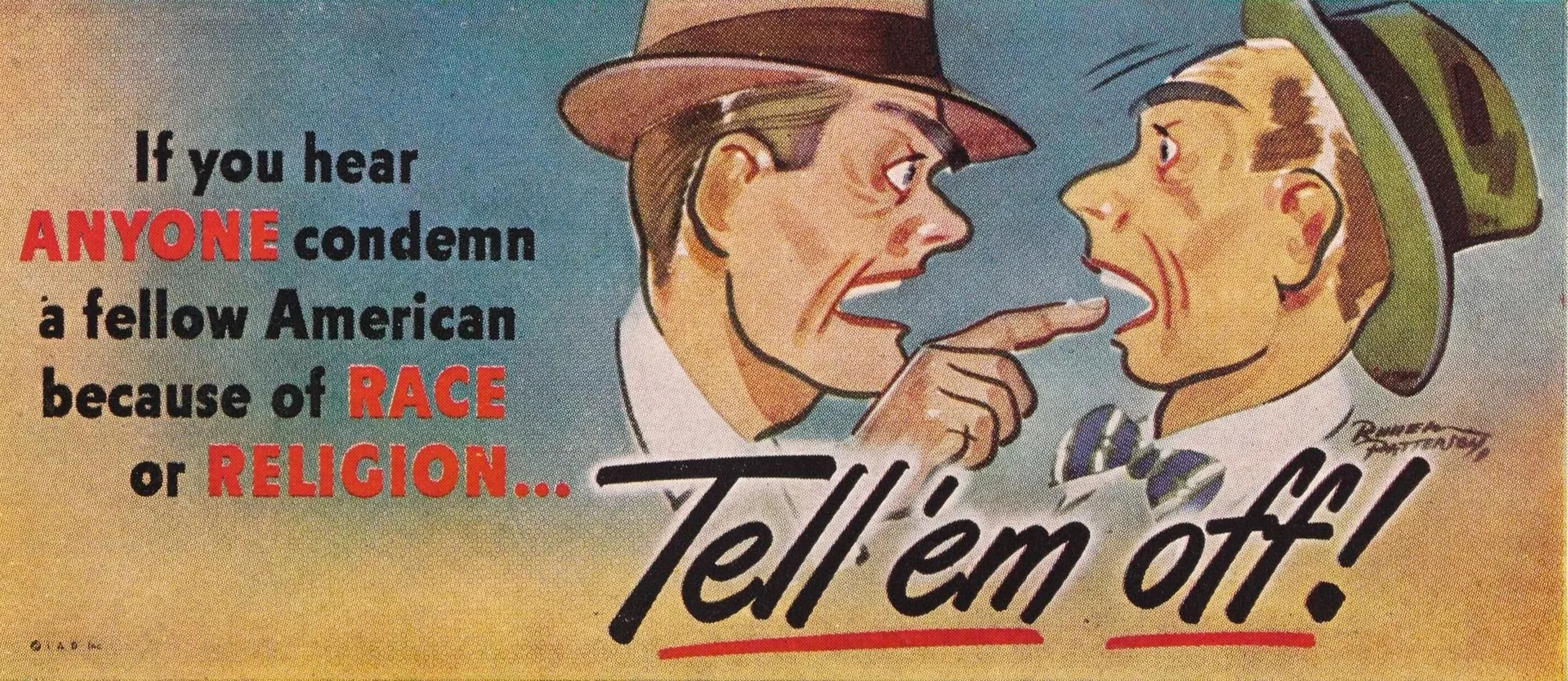
Enacting Change: The New York City Commission on Human Rights Case Files
The New York City Commission on Human Rights was formed in 1965 but it wasn't until January 3, 1969 that the first cases were overseen by an official Commission court. Once a case was filed, there was an initial investigation by agency lawyers to determine if there was a probable cause of discrimination. If cause was found, legal proceedings followed. Cases could be filed based on gender, race and physical disability in housing, public accommodation, and both private and city employment. By 1975, wrongful termination and equal pay were added to that to that list.
In the early years of the case files, the majority of complaints were made on the basis of race, particularly in housing, but by the early 1970s there was a noticeable shift towards gender-based cases. With the fight for the passage of the Equal Rights Amendment and the women’s movement sweeping the country, many cases were filed with the Commission that showed this shift in the effort to give equal rights to both women and men in New York City. The Commission ruled on milestone cases that enacted important changes to laws regarding maternity leave, fair public access to social and retail areas, as well as equal treatment in the work place.
The case files in this gallery give insight into the monumental social changes that have been made since the original cases were filed with CCHR.
Gelfarb v. Dangerfield’s
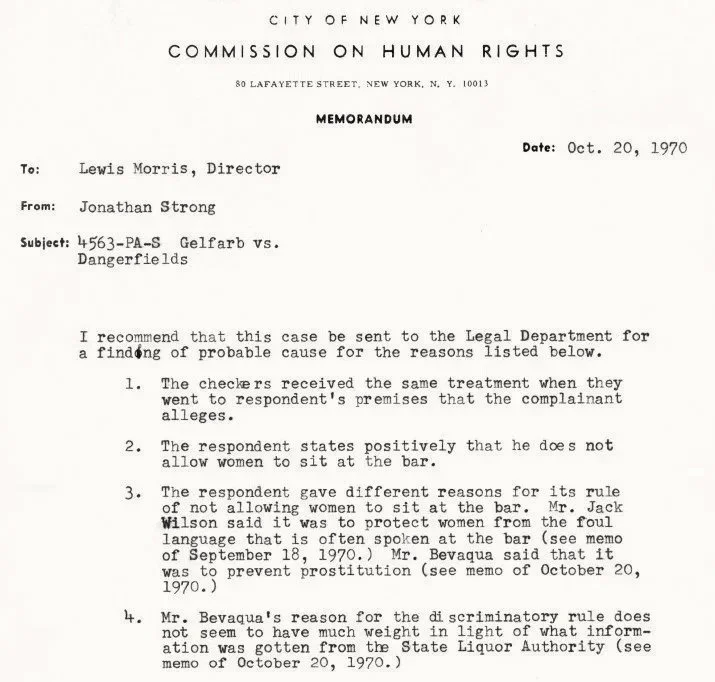
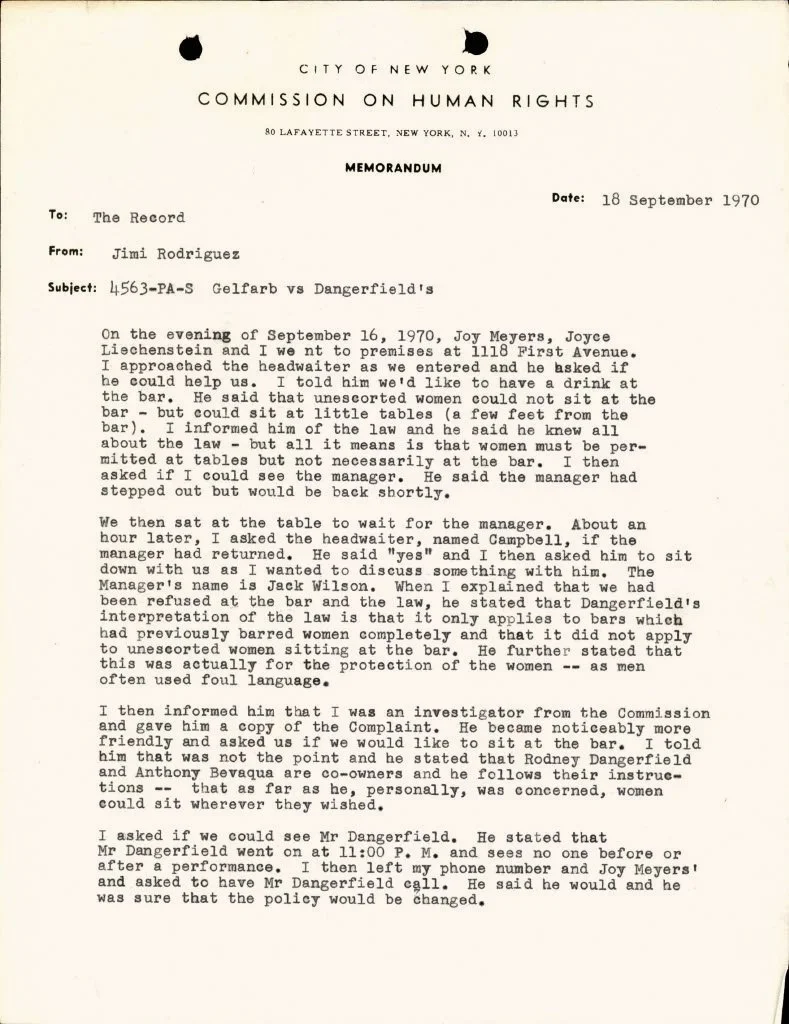
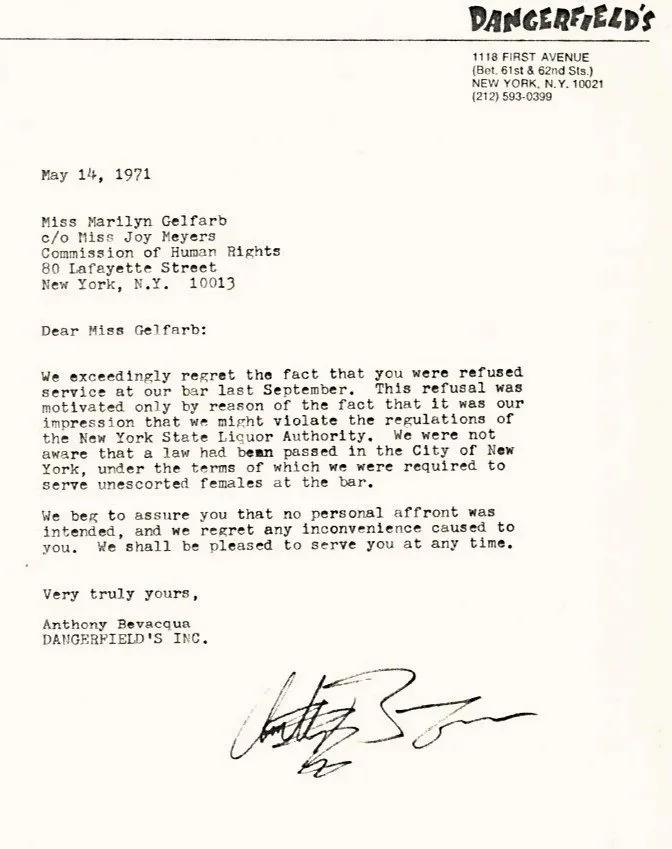
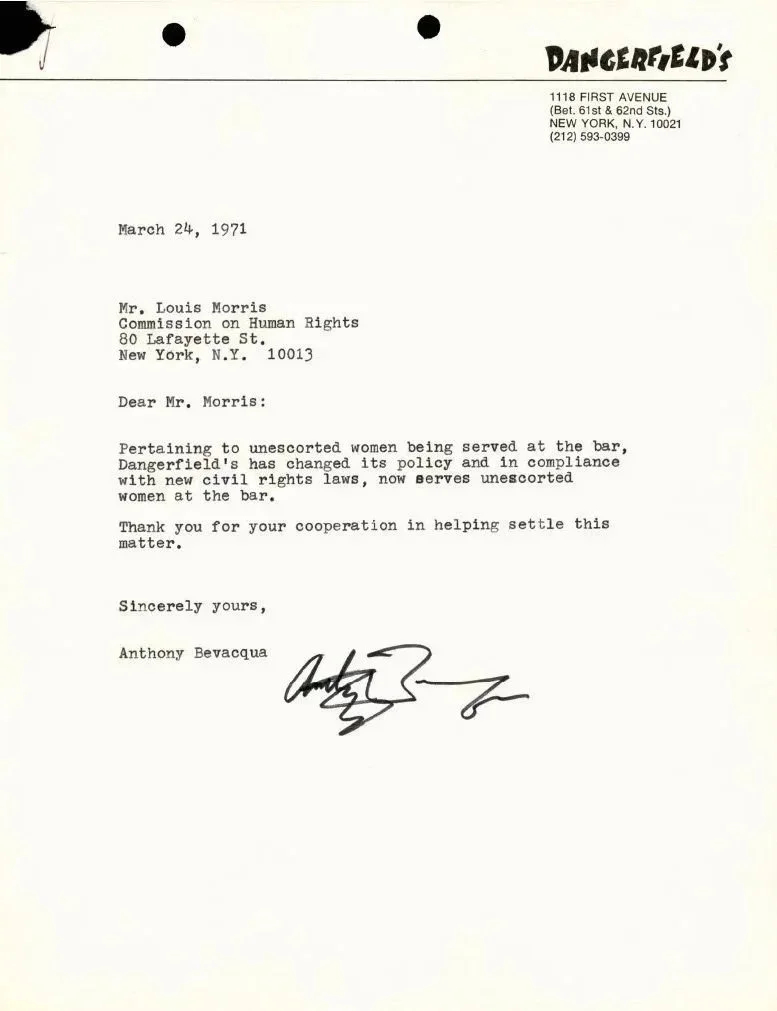
Until 1970, it was not uncommon for restaurants or bars to refuse to serve unescorted women at their establishments. This case, one of two filed against Dangerfield’s in 1970, includes the investigative report from CCHR staff sharing their experiences after visiting the establishment. Restaurants often stated that this policy was enforced for the protection of women who might here coarse language at a bar, while others felt that an unescorted woman might be a prostitute there to lure inebriated men away from the safety of the bar.
Miller v. zuma
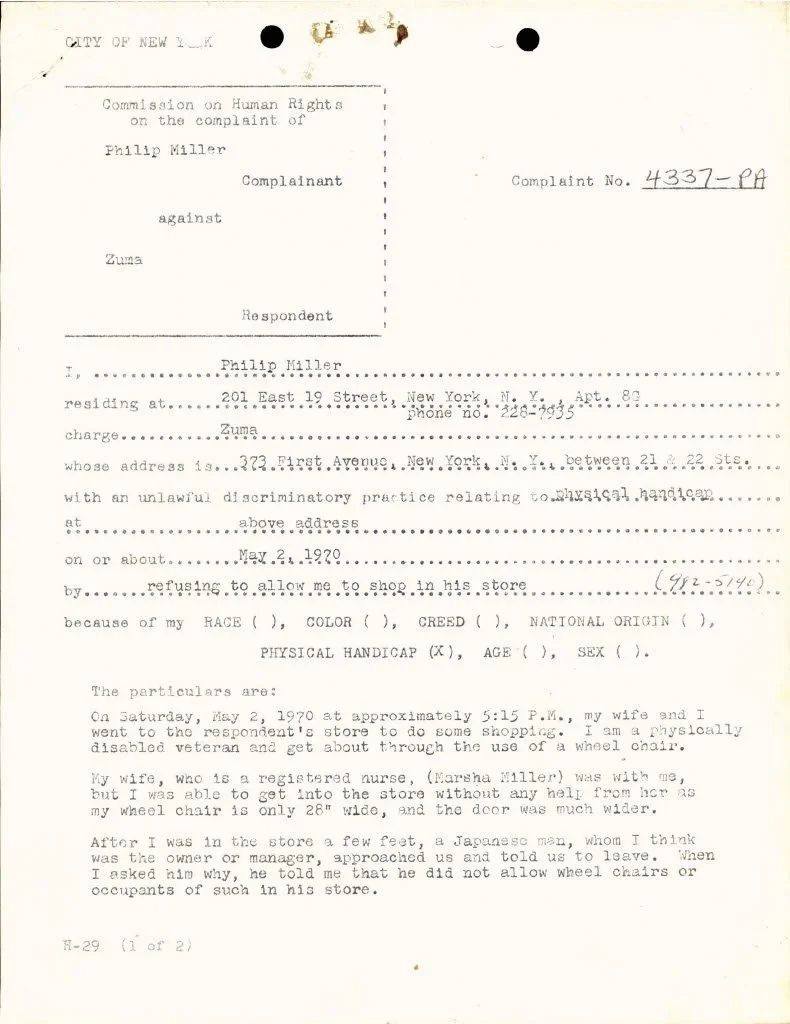
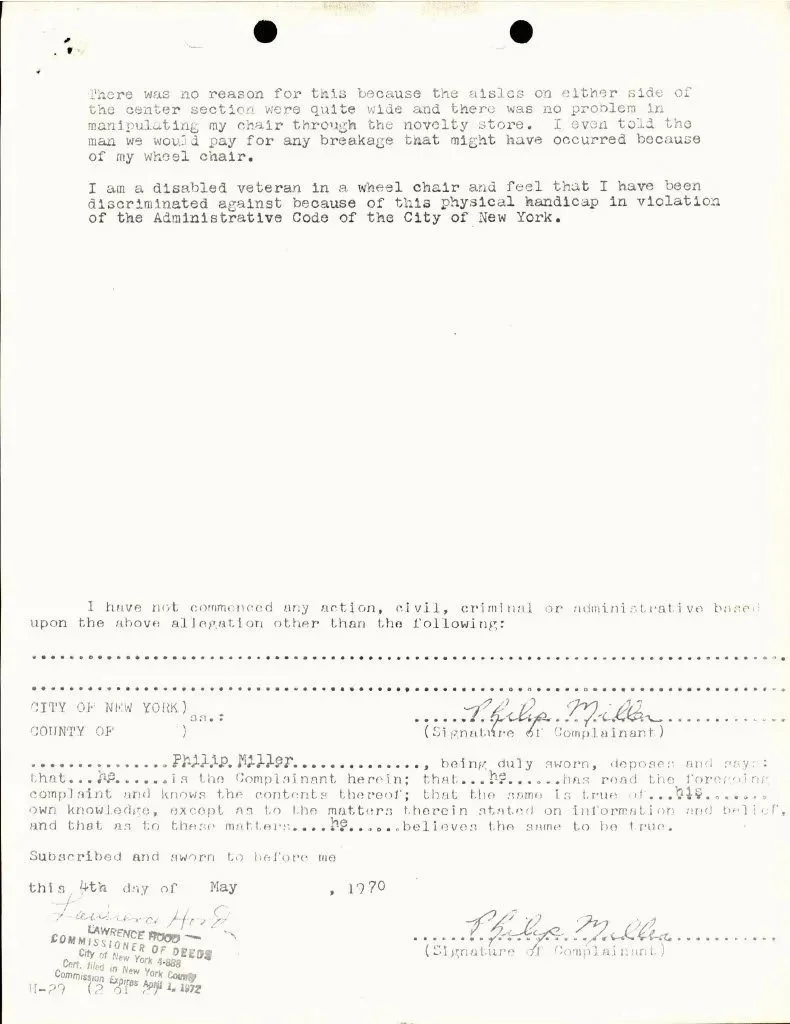
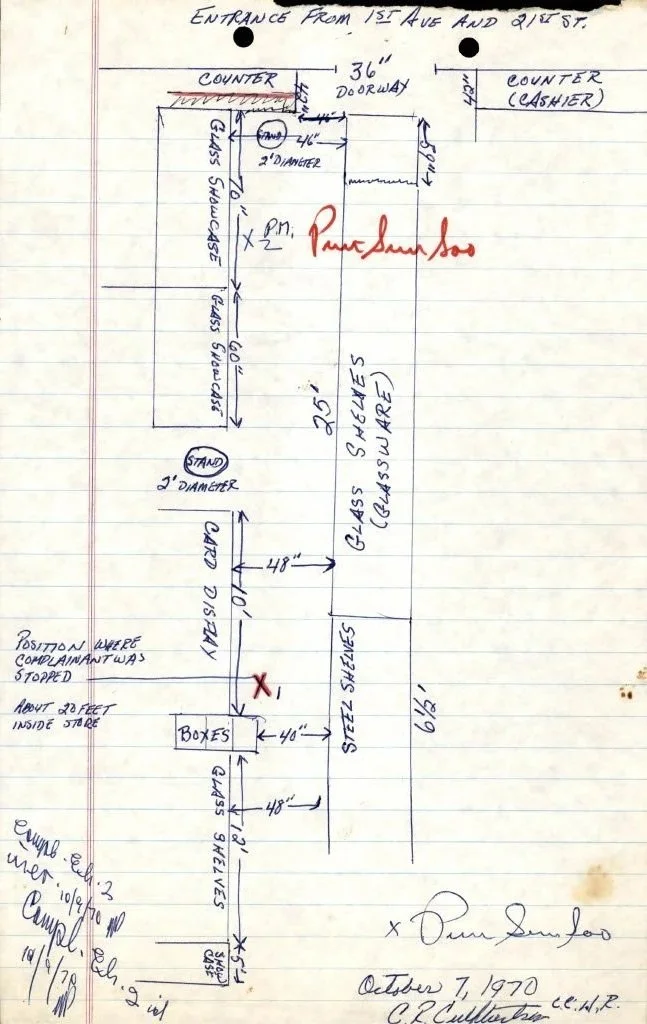
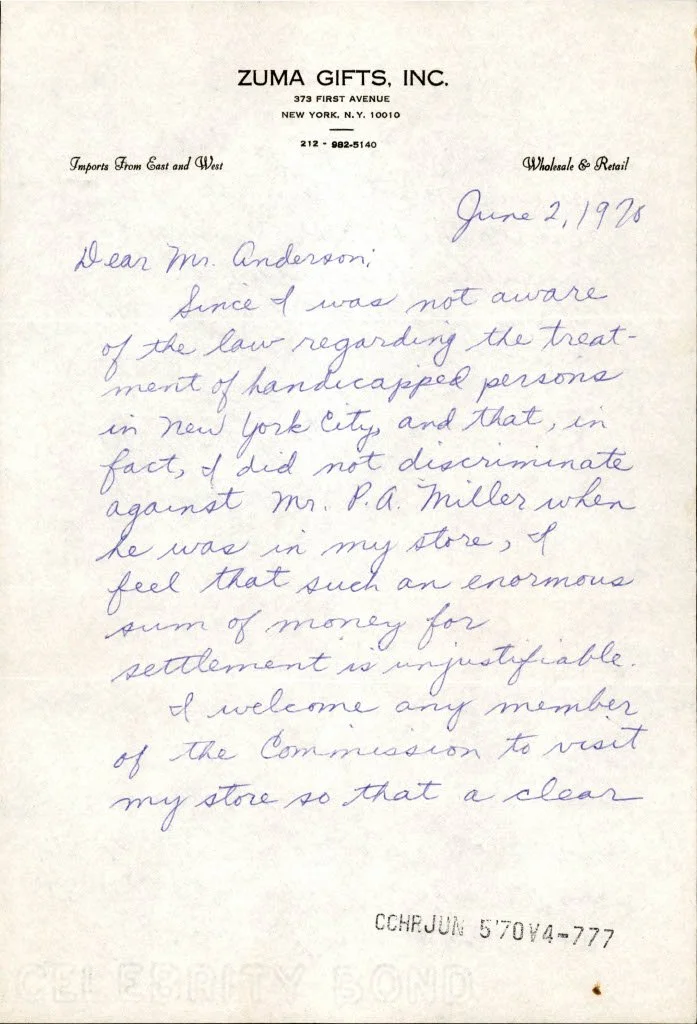
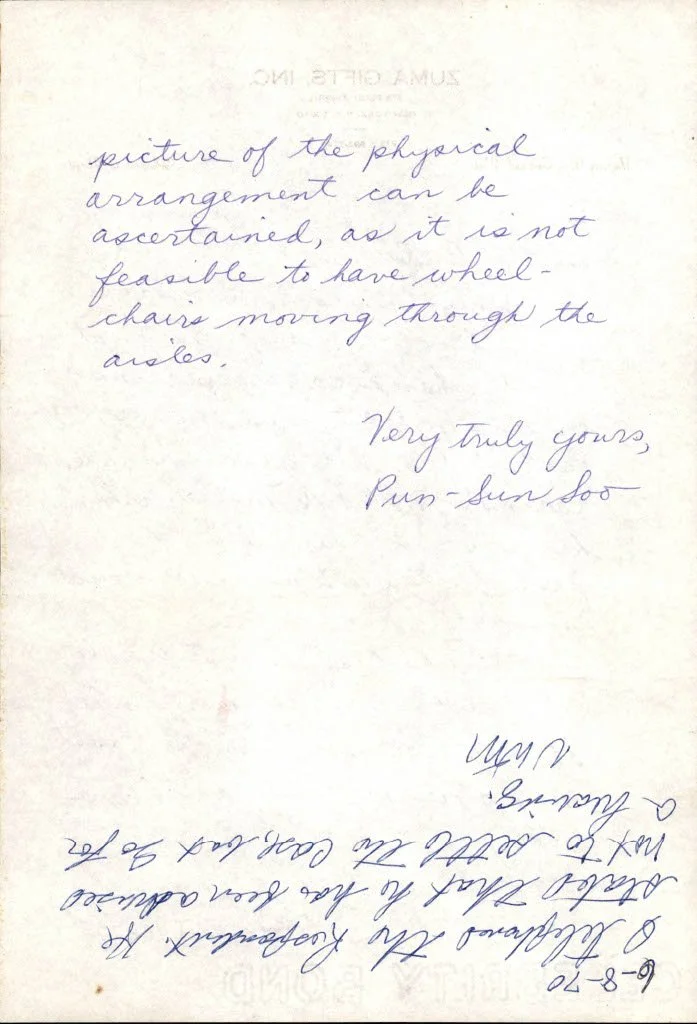
In May 1970, for the first time a case was filed with CCHR for discrimination based on a physical disability. The complaint stated that a store owners refused to allow a man in a wheelchair to enter his gift shop based on a fear that he would break something. The case file included a hand drawn map that was made during the investigation to show the layout of the store.
Griffin v. Parker, A&P Bakery and Jaber
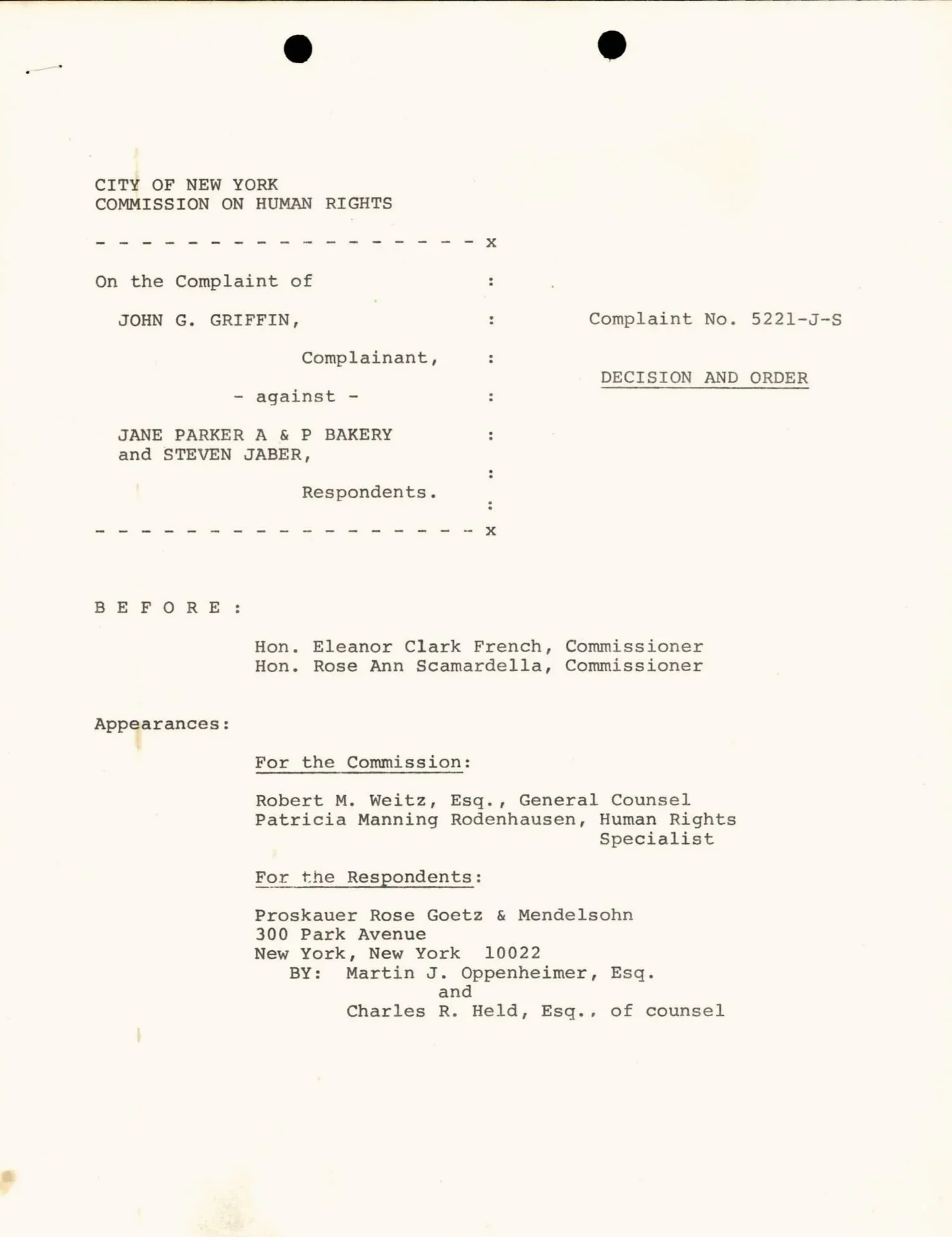
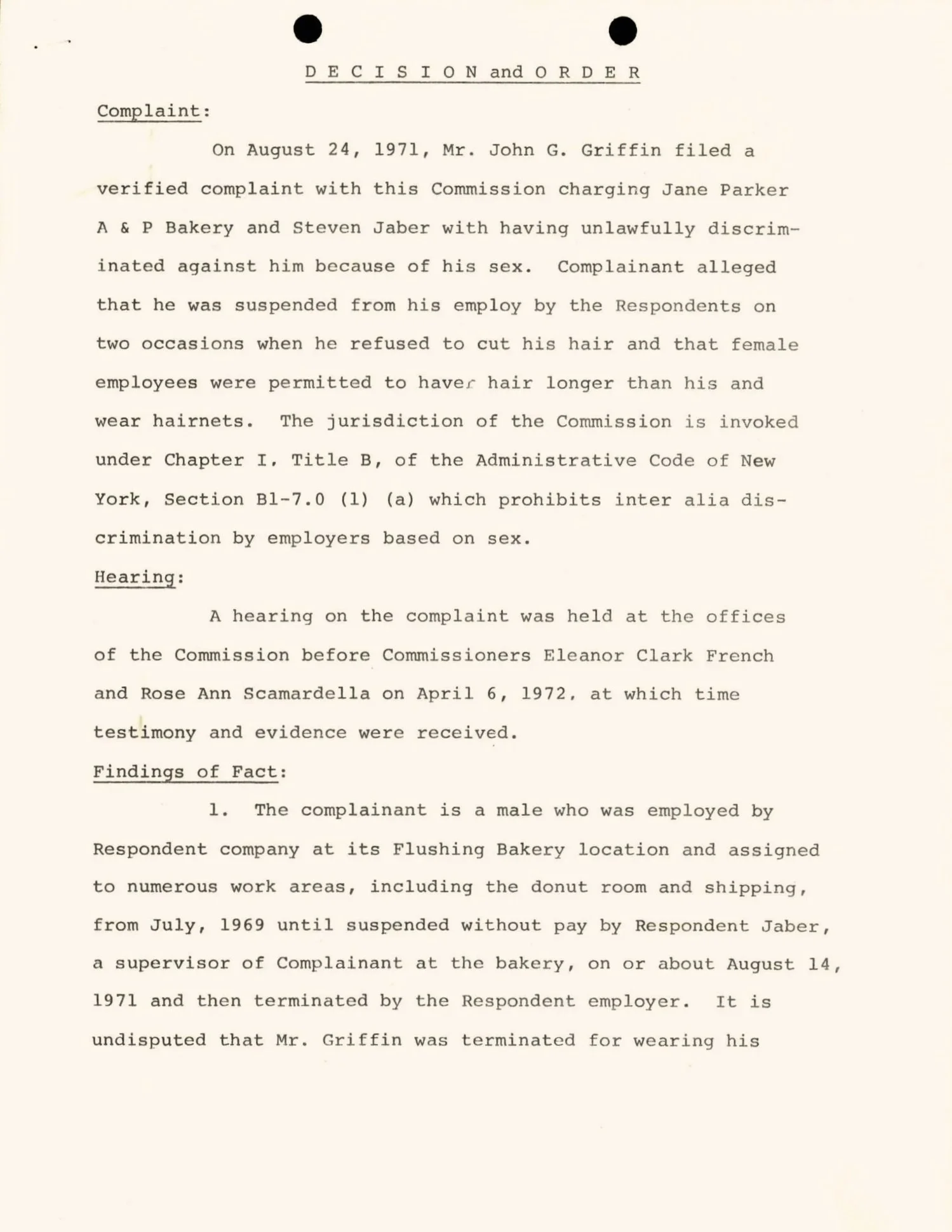
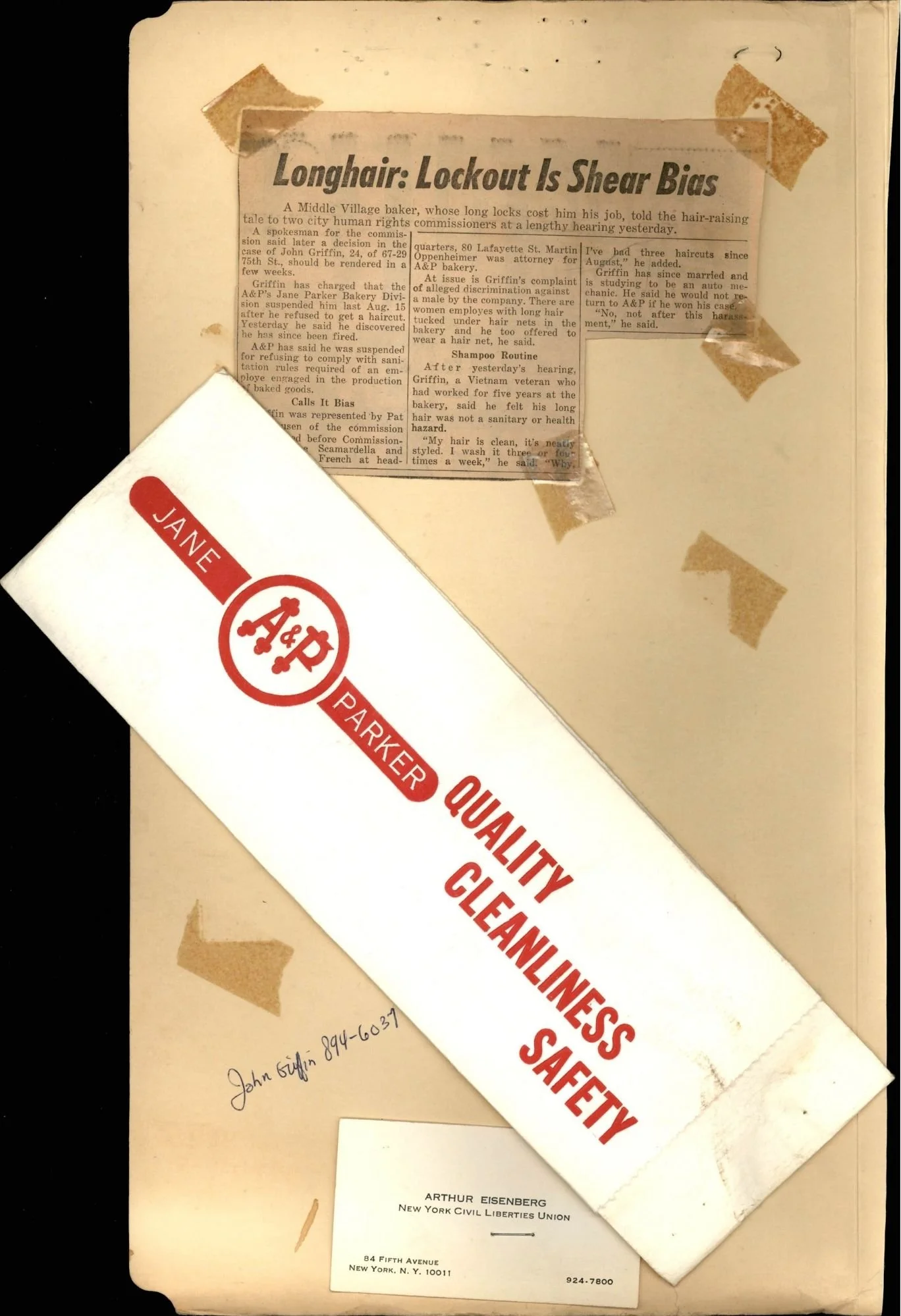
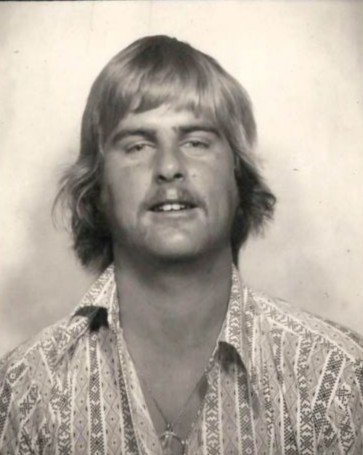
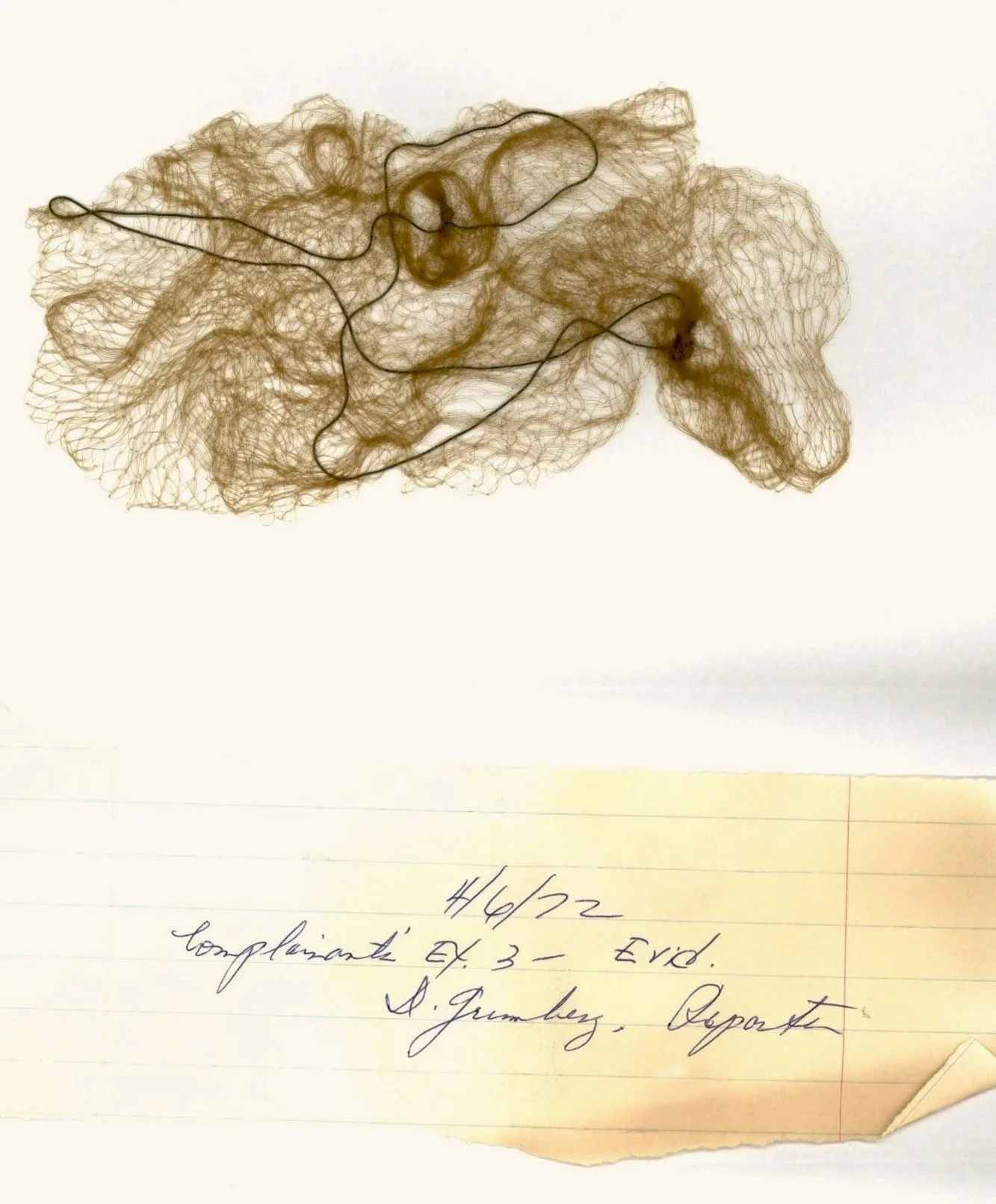
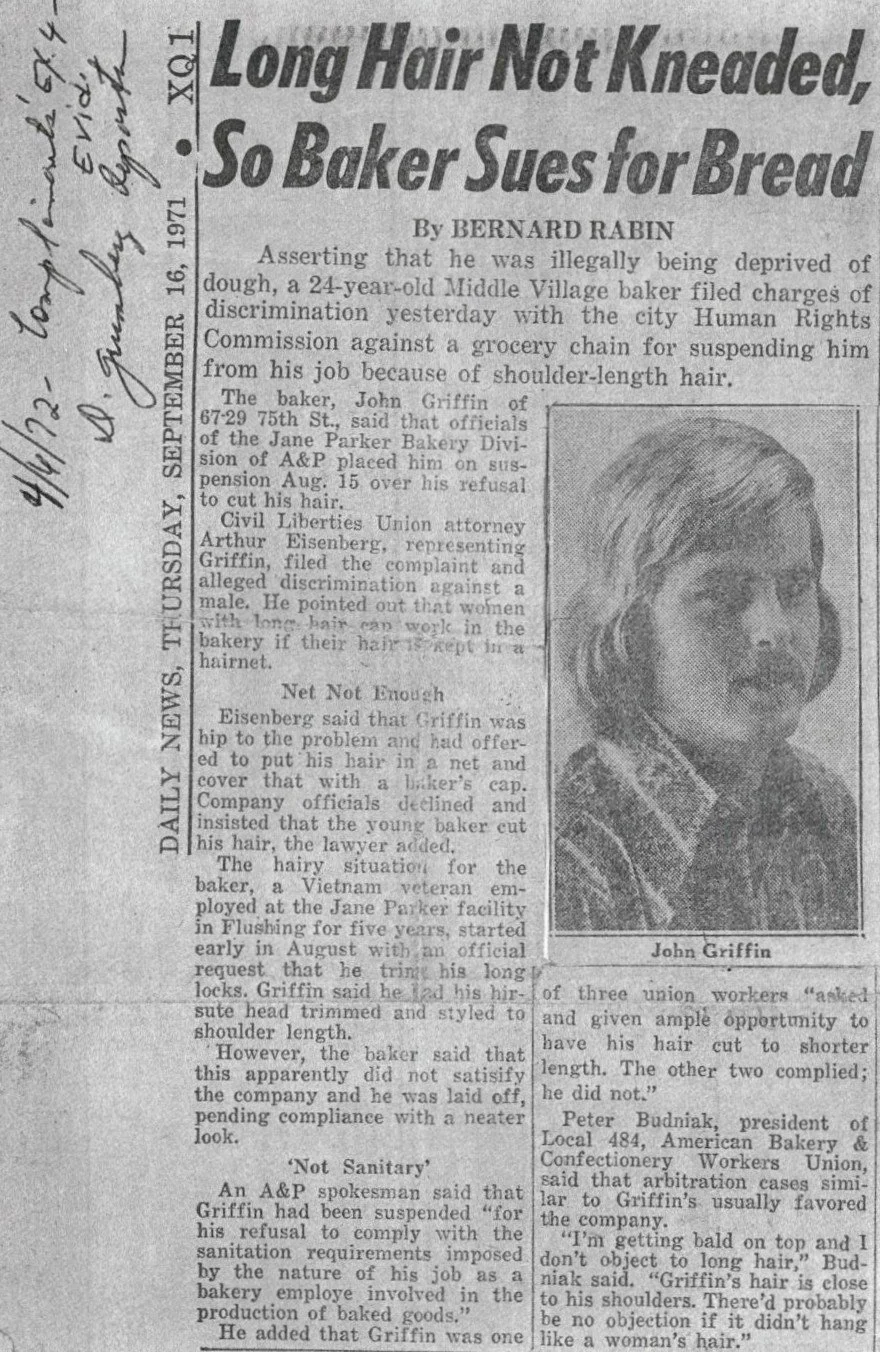
In 1971, a Queens man filed a complaint against a local bakery for unlawfully discriminating against him because of his gender. While female employees were allowed to have long hair, John Griffith was suspended and later terminated for refusing to cut his hair despite wearing a hairnet or paper hat when he worked in the doughnut-making room of the bakery. Gender bias based claims made to CCHR became increasingly common by 1970.
Zeiss v. Baldt Corporation
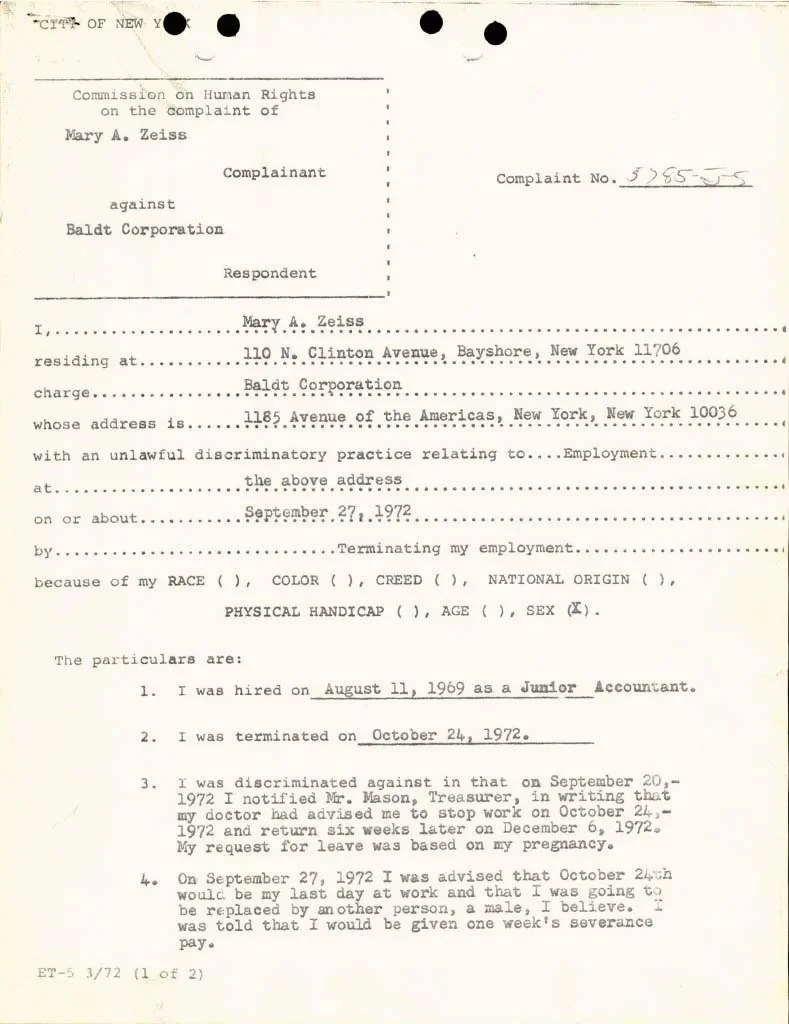
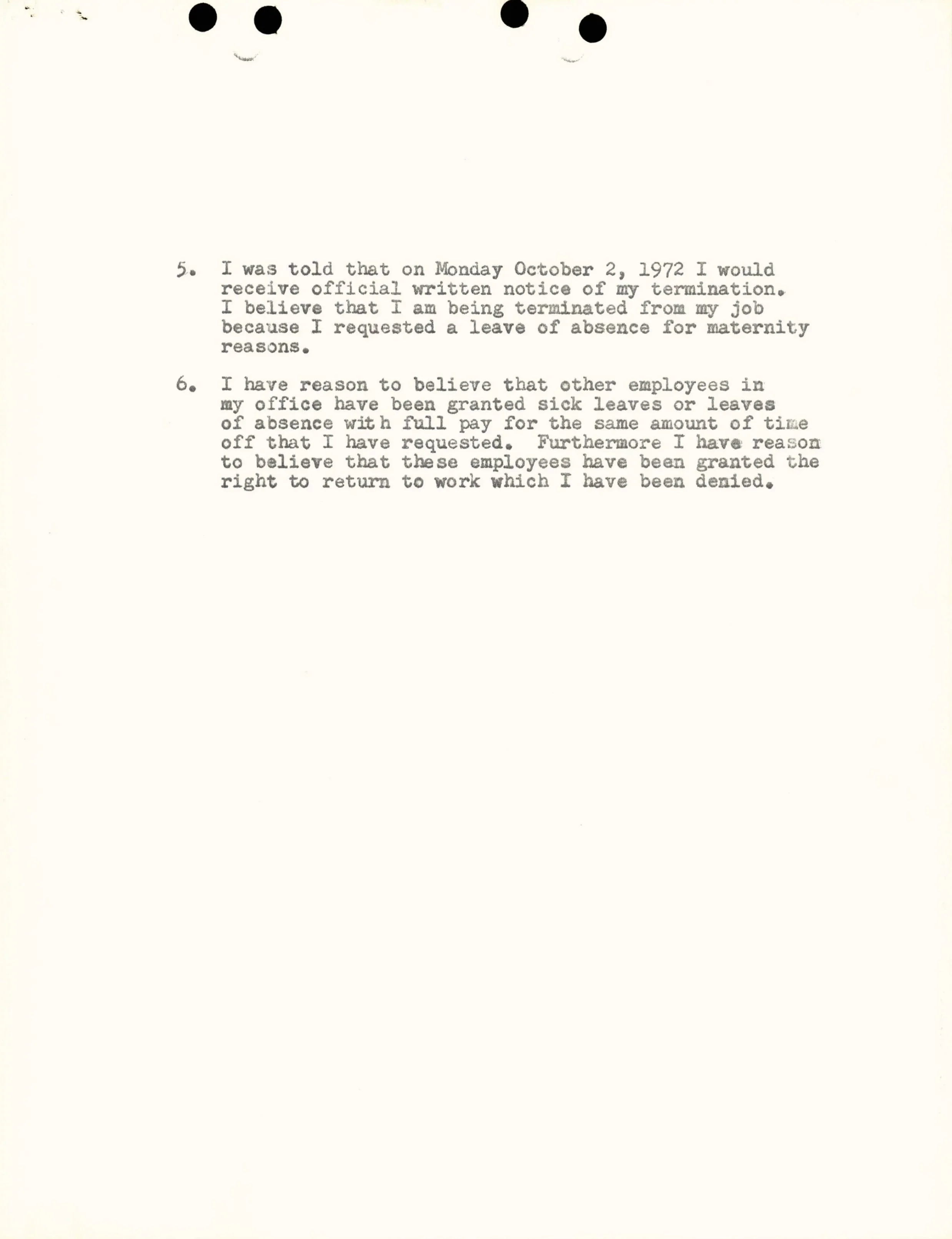
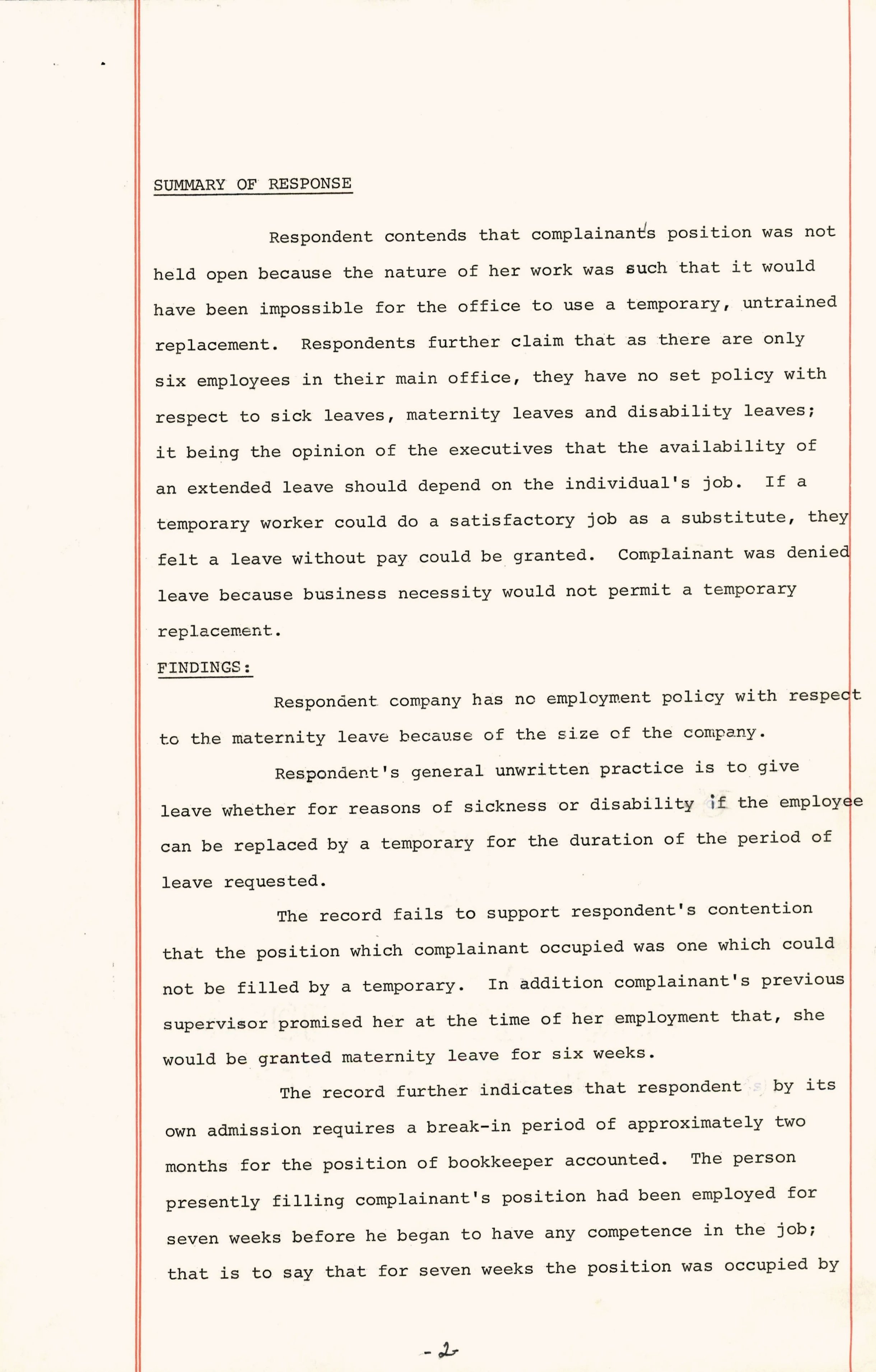
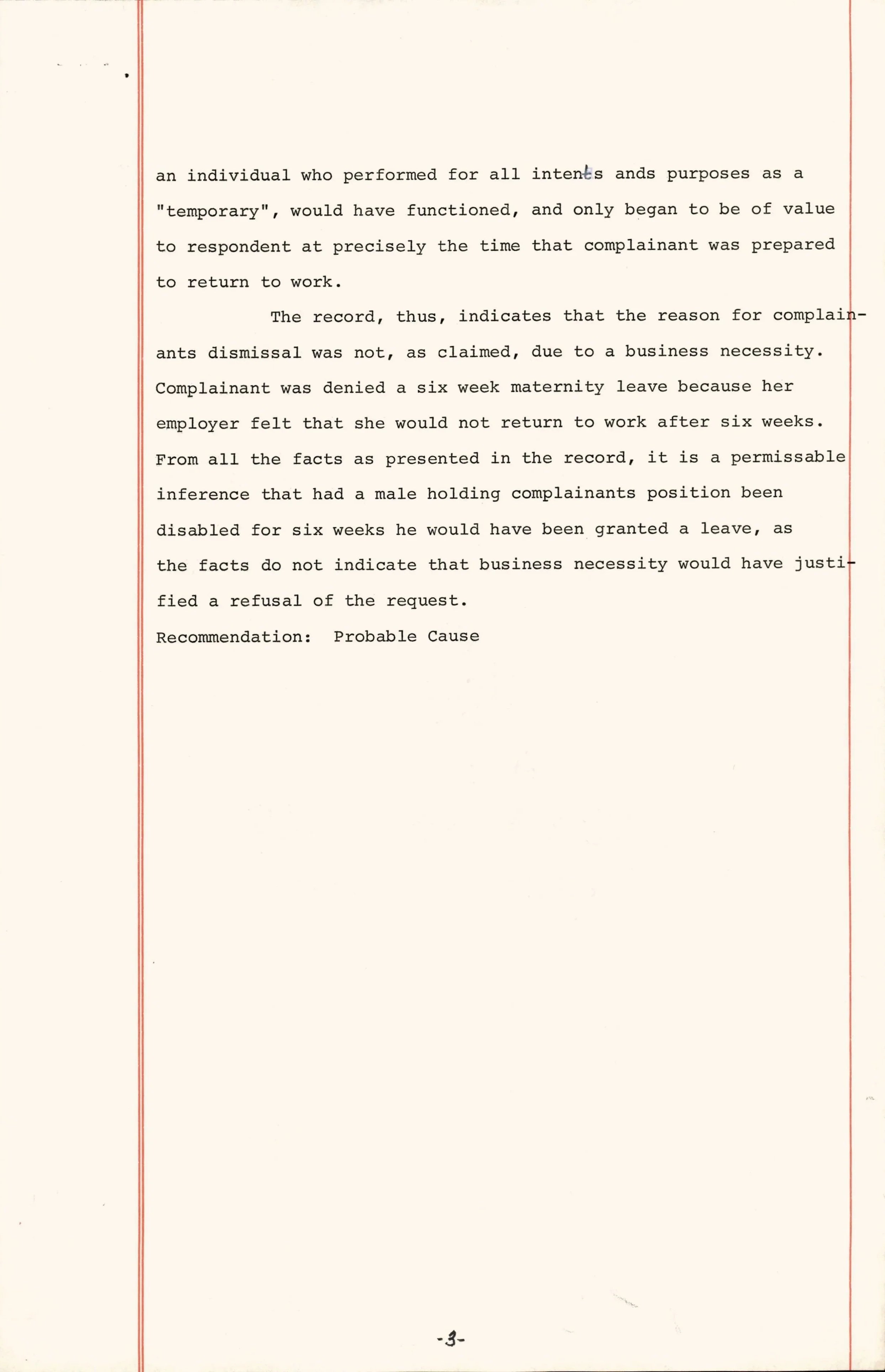
Pregnancy and maternity leave appears as a topic in several cases in the CCHR collection. In this case, the complainant, a female accountant, was fired and a man hired in her place because the company managers felt that she would take her maternity leave and then quit. Case files also include investigations that resulted in policies being developed regarding paid leave and insurance coverage for pregnancies, as well as formal ‘statements of inclusion’ within a company. By 1973, maternity cases filed with CCHR were included in a federal Equal Employment Opportunity Commission suit that drafted guidelines requiring employers to treat disabilities resulting from pregnancy, such as miscarriage, abortion, or childbirth and recovery, in the same manner as other temporary disabilities. Finally, in 1978 the Pregnancy Discrimination Act (PDA) prohibit discrimination on the basis of pregnancy, childbirth, or related medical conditions. While the act did not provide time off to care for a new child, it did protect a women’s civil rights in the workplace.