The challenge: tell the story of New York City’s first four hundred years using the resources of the Municipal Archives and Library. The result is two new exhibits, the interactive online RememberNYC.nyc, and NYC’s Story: The City on Record in the DORIS gallery at 31 Chambers Street. Both include a wide range of images and documents that capture both defining events and everyday moments in New Yorkers’ lives from the 1600s to the twenty-first century.
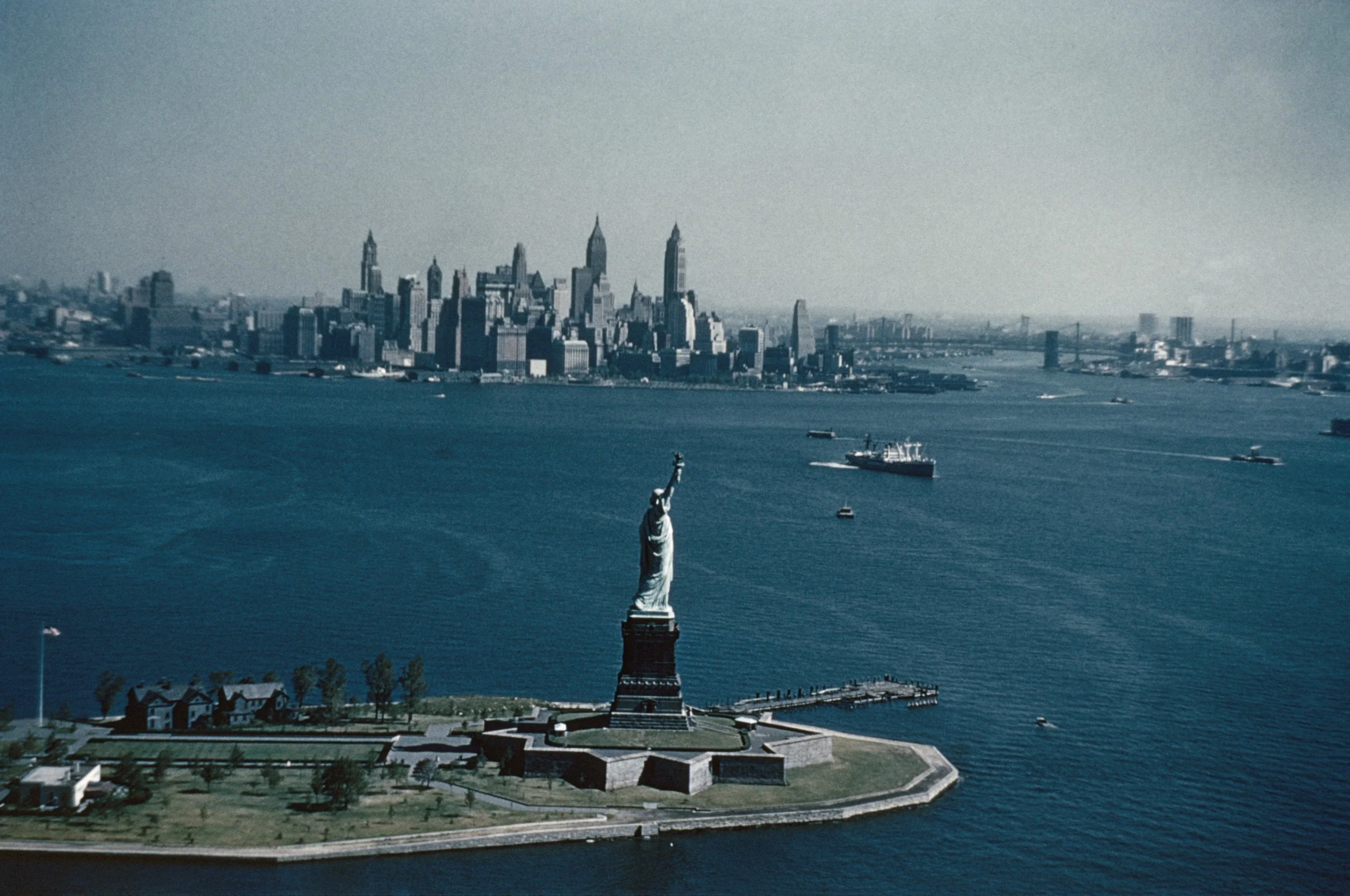
Statue of Liberty New York Bay And Lower Manhattan Skyline, 1950-1977, Department of Ports and Trade photographs, NYC Municipal Archives.
Planning for the challenge began soon after the New Visions of Old New York exhibit opened in the DORIS gallery on January 23, 2025. Produced in collaboration with the New Amsterdam History Center’s Mapping Early New York project, the New Visions exhibit featured an interactive 3-D map and displayed 17th-century records that focused on the lives of women, enslaved people, and Native Americans in the Dutch West India Company settlement that eventually became New York City.
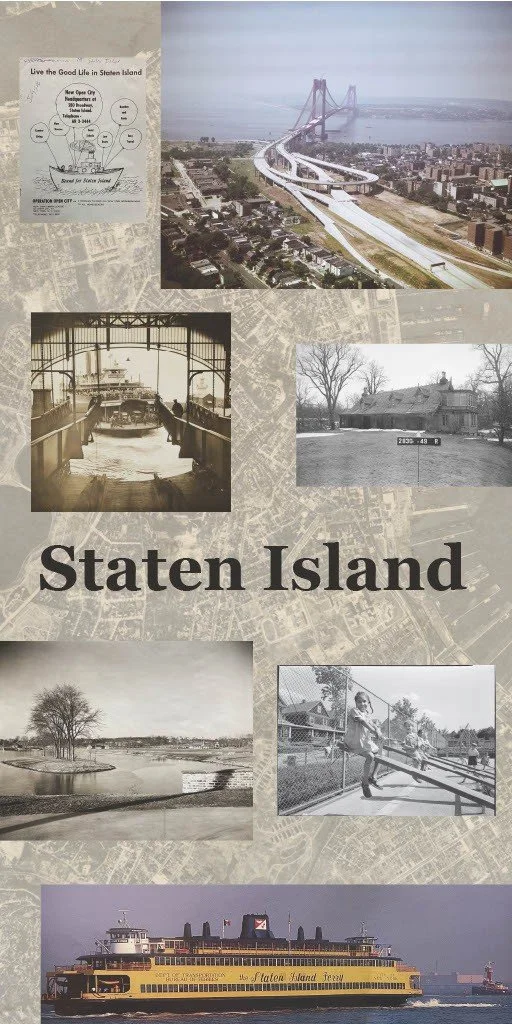
Staten Island Panel, DORIS Gallery, 31 Chambers Street.
Building on the success of the New Visions exhibit, DORIS staff from multiple divisions continued planning the next phase to continue the story. Initially, we organized the effort by centuries, with each subgroup identifying key records in the Municipal Archives and Library collections. Then collectively, we decided to identify 100 items in the collections that speak to some aspect of city history. As we selected documents, photographs and other material, we developed a framework of three questions to present the content: – 1) Who is a New Yorker? 2) How was New York City built? and 3) What makes NYC, NYC?
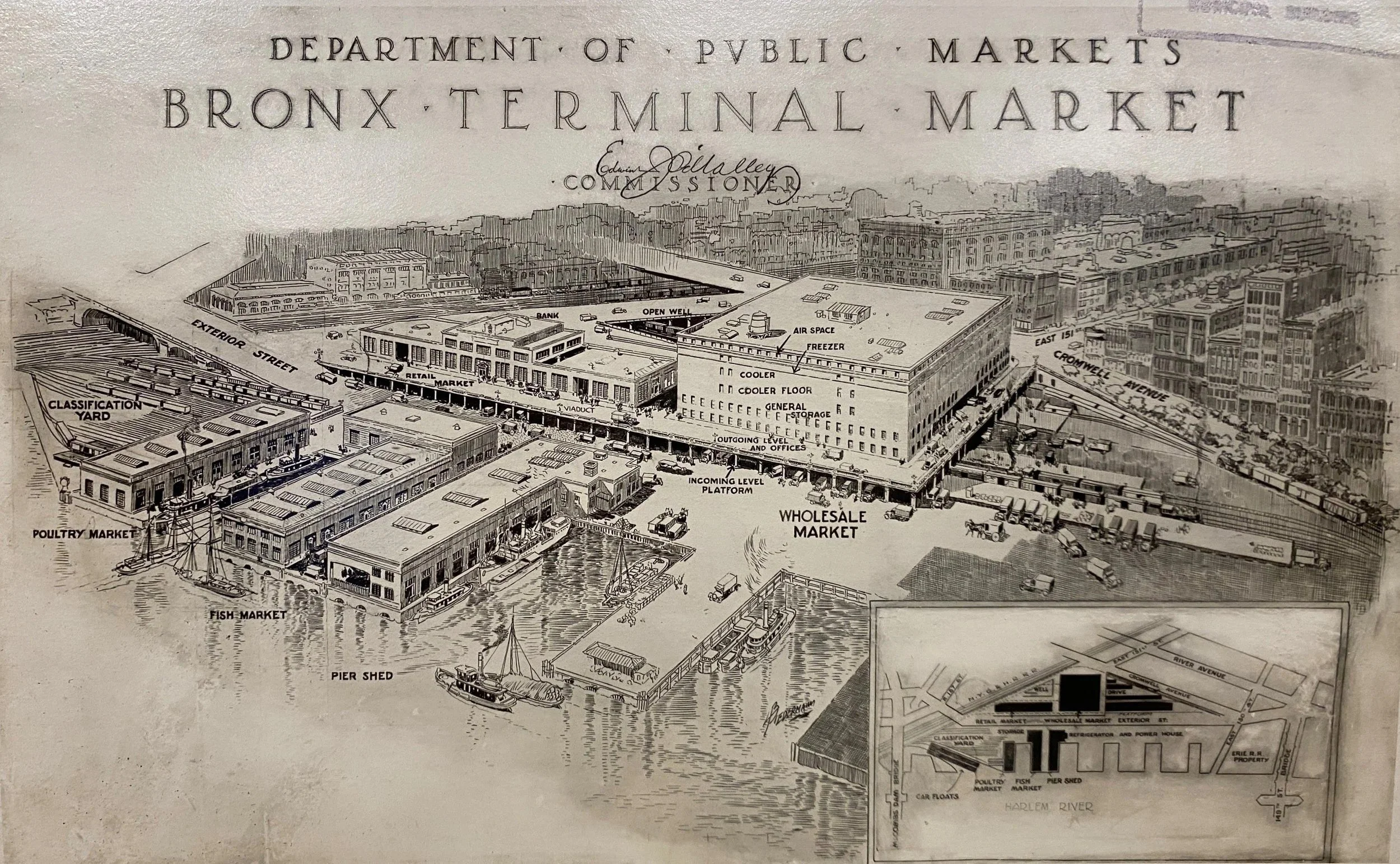
Plan for Bronx Terminal Market, ca. 1923, Department of Public Markets Collection. NYC Municipal Archives.
There is not a set order of the records. In answering one of the questions, users choose a record that allows a connection to a different record and another, and so-on. For example, to answer the question, Who is a New Yorker? the user might begin with the 1810 census coversheet that lists the population of Manhattan by status—property owners, white residents, alien residents, free Black people and enslaved people. Next they may open a photo of a street in Manhattan’s Little Italy circa 1930, and then move on to the Accessible New York report. Each item shows the diversity of the City’s residents.
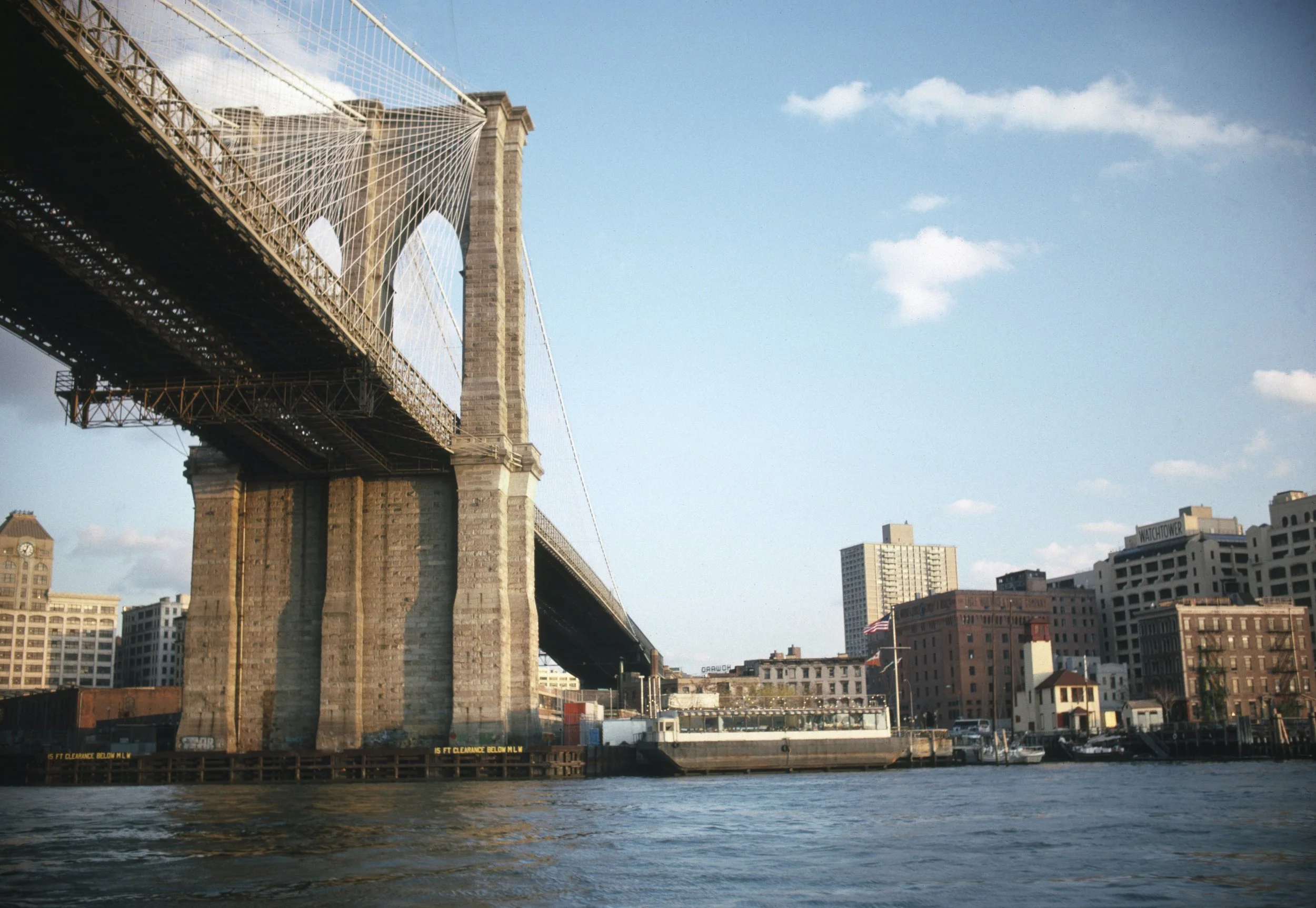
The Brooklyn Bridge and Brooklyn waterfront, ca. 1982. Department of Ports and Trade Photograph Collection. NYC Municipal Archives.
The interactive exhibit is fully accessible. It includes transcribed text and descriptions. There is an accessibility widget that allows users to manipulate the content, i.e. change the font, magnify the text, supply word definitions, etc. The user can also select to have the content read aloud and converted to a different language.
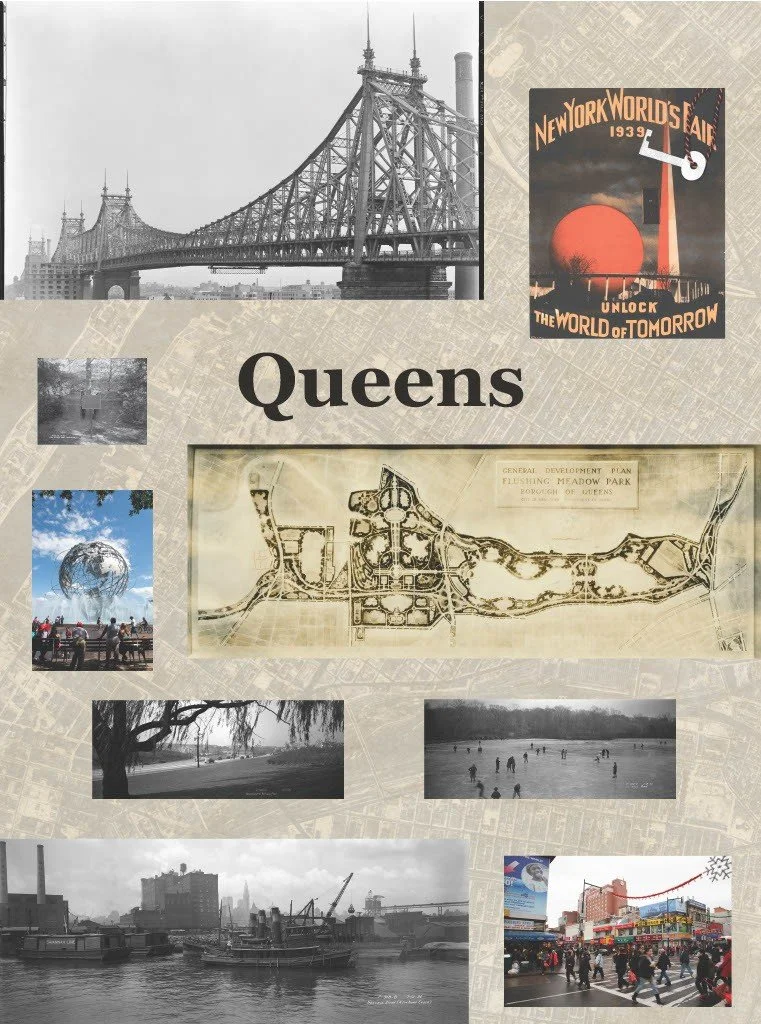
Queens Panel, DORIS Gallery, 31 Chambers Street
The goal of the exhibits is to help visitors of all ages both understand the city’s past and shape a better future by inviting open exploration and engagement with the archival and library collections. The DORIS gallery exhibit at 31 Chambers organizes content by borough. Photographs, documents, and other visual items that capture highlights of the borough’s identity and history are mounted on individual panels. Brief explanatory text accompanies the panels. Visitors can also enjoy outtakes from The City of Magic. Produced by WNYC soon after the municipally-owned broadcast station established a film unit in 1949, the color footage captures street scenes teeming with well-dressed pedestrians, movie and theatre marquees in Times Square, and lots of traffic. It is mesmerizing.
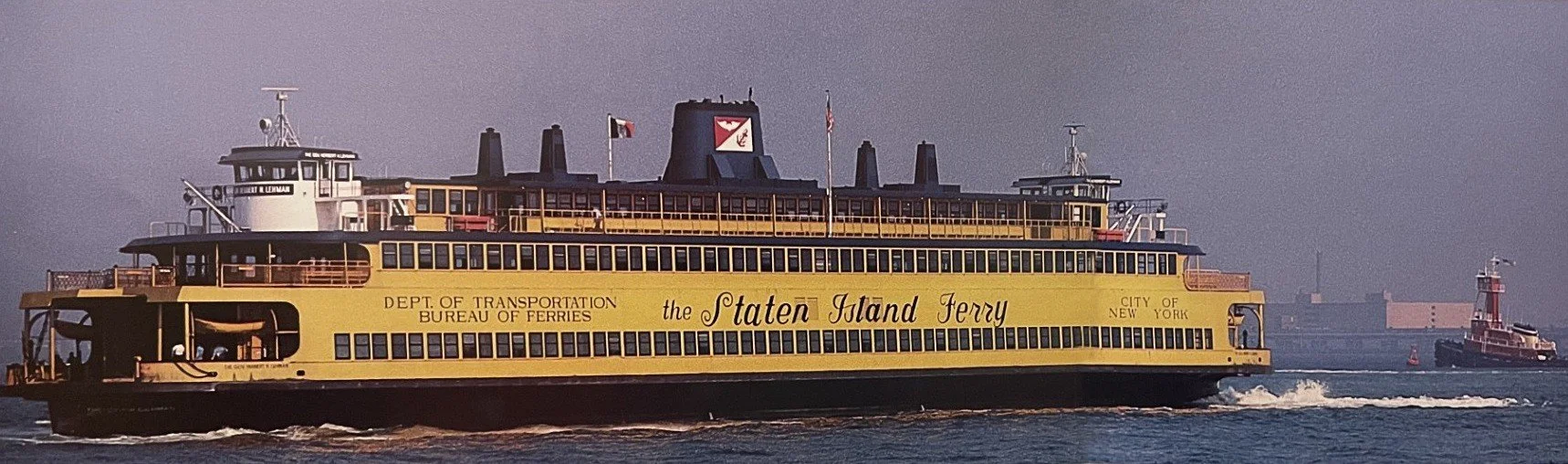
Staten Island Ferry, ca. 1980, brochure, Vertical File Collection, Municipal Library.
The DORIS gallery also premieres the Neighborhood Stories project which shares stories from community residents that reflect the city’s diversity and development.
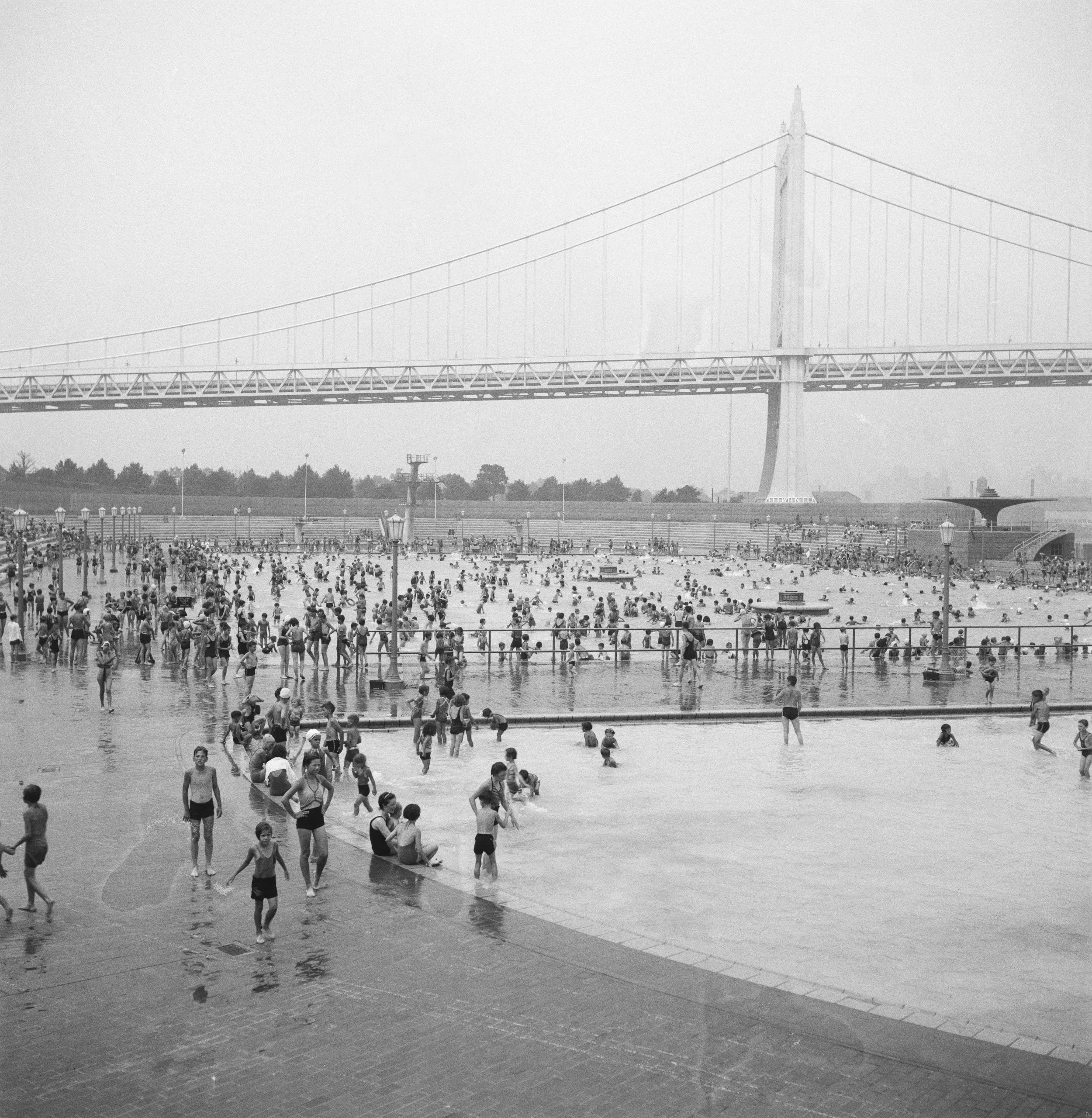
Astoria Pool, 1948, Department of Parks Photograph Collection, NYC Municipal Archives.
Interactive aspects let visitors build a skyline and show immigration patterns in each borough. See you in the gallery!