Poetry

Poetry On the Air: WNYC and the Sound of Verse in New York 1950-1995

In the years after World War II, poetry programming at WNYC evolved alongside the changing literary culture of New York City. The station increasingly collaborated with cultural institutions, universities, and literary organizations, expanding its reach from studio readings to festivals, public forums, and recorded literary events. At the same time, new poetic movements—from the Beats to the avant-garde—began to appear on the municipal airwaves both AM and FM whose listenership, while still small, proceeded to expand.

In the span of only a few years, WNYC’s microphones captured three very different visions of twentieth-century poetry. Robert Frost represented the established American tradition; Dylan Thomas brought the dramatic voice of international modernism; and Jack Kerouac embodied the rebellious energy of the Beat generation. Heard together in the station’s archives, their broadcasts trace a striking shift in literary culture—one preserved not only in print but in the voices of poets speaking over New York’s municipal airwaves.


Festivals and Institutional Partnerships 
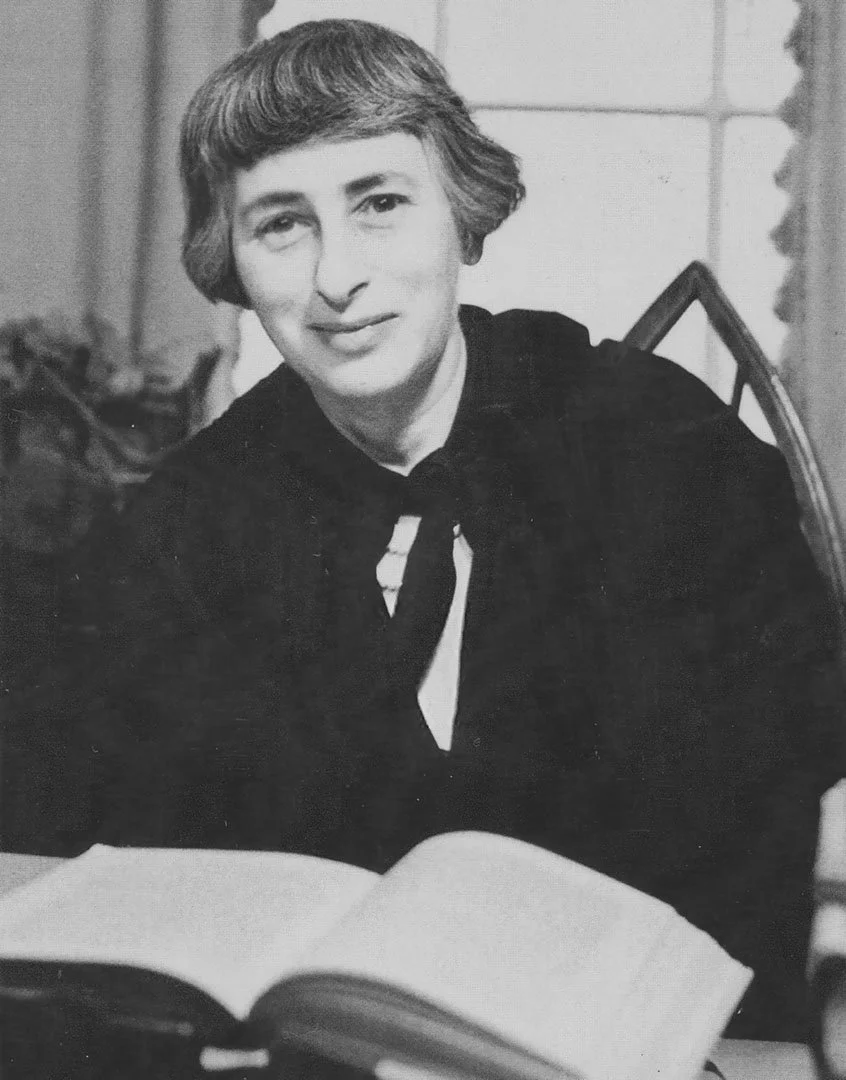
Babette Deutsch publicity photo.

Having witnessed the success of the station’s annual American Music Festival, WNYC director Seymour N. Siegel launched week-long arts, Shakespeare, and book festivals during the 1950s. These events featured numerous poetry readings and verse dramas. 

Imports of BBC transcription discs supplied much of the English verse drama heard during the station’s annual April Shakespeare festivals (1952–1959), while the March–April book festivals ran annually from 1953 to 1956. Participants included Dylan Thomas and Sean O’Casey reading their own work, along with poet and critic Babette Deutsch presenting a segment titled Poets of Tomorrow

In October 1954 WNYC aired Limited Edition, a series based on recordings from the Poetry Center at the 92nd Street Y. The program included the voices of Frederick Prokosch, Robert Frost, Archibald MacLeish, Osbert Sitwell, Joyce Cary, Arthur Miller and others.  No recording of the series appears to have survived. 
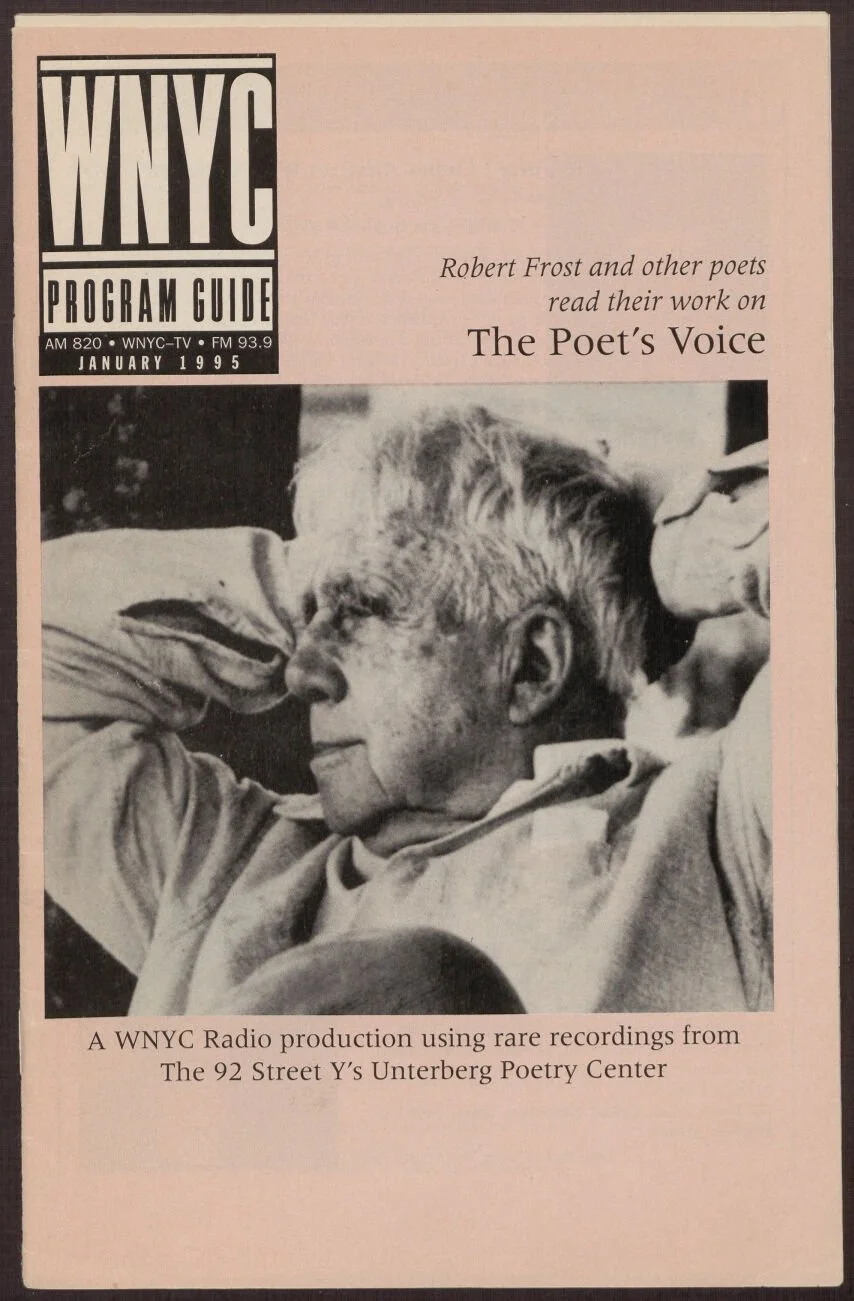
Cover of the January 1995 WNYC Program Guide/WNYC Archive Collections 

More than four decades later the station returned to the same institution to produce The Poet’s Voice (1995), an ambitious series using recordings from the Unterberg Poetry Center’s archives. Hosted by Blair Brown and distributed nationally on National Public Radio, the program profiled thirteen major twentieth-century poets, including Robert Frost, W. H. Auden, Anne Sexton, Czesław Miłosz, William Carlos Williams, Marianne Moore, Gwendolyn Brooks, Octavio Paz, Dylan Thomas, Pablo Neruda, Derek Walcott, Robert Lowell, and Adrienne Rich. 

Blending archival recordings with commentary, interviews, and music, the series aimed to make poetry accessible to radio listeners while revealing nuances of tone and emotion that only the spoken voice could convey. Unfortunately, the programs are currently unavailable because they require relicensing. 
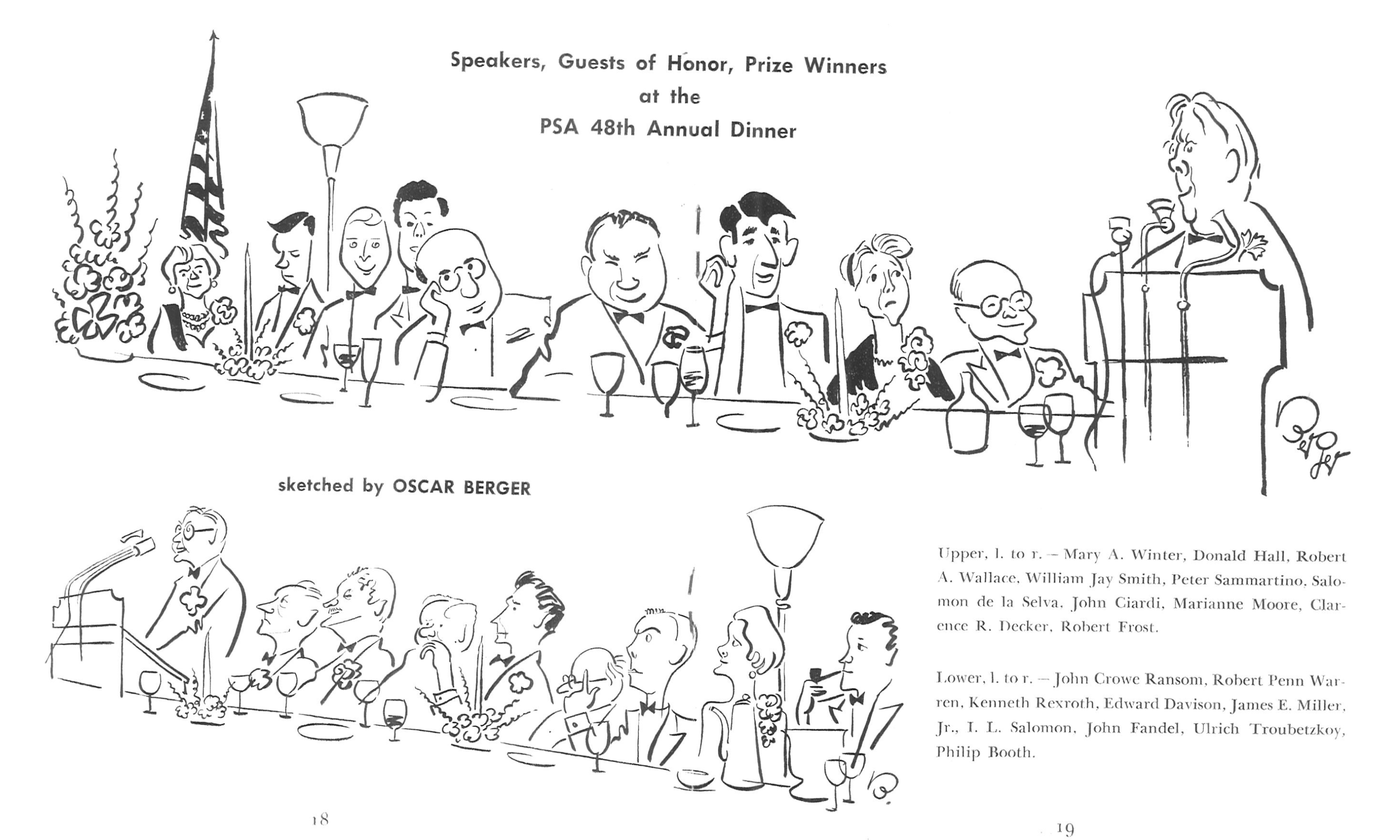
Oscar Berger drawing courtesy of the Poetry Society of America

When WNYC covered the Poetry Society of America’s forty-eighth annual dinner in 1958, the guest of honor was Robert Frost. By then widely regarded as the nation’s elder poet, Frost used the occasion to gently mock the public image that had grown around him, downplaying the notion that he possessed any special wisdom. Meanwhile, the society had the well-known caricaturist Oscar Berger draw the dais attendees for the organization’s journal.  

  (Audio from the Municipal Archives WNYC Collection.)

The station broadcast the dinner again in January 1960, when Robert Frost, Marianne Moore, and Robert Graves were among those honored. President Dwight Eisenhower sent a message congratulating the society for its fifty years of work, observing that “the poet in a free society contributes greatly to the understanding and enrichment of life.” 


Beat Poetry and Cultural Change 
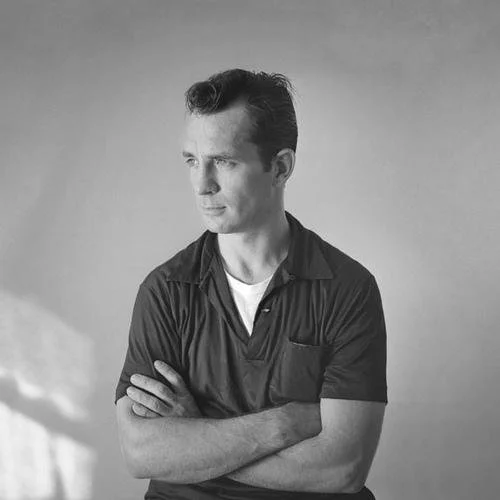
Jack Kerouac circa 1956 by Tom Palumbo/Wikimedia Commons. 

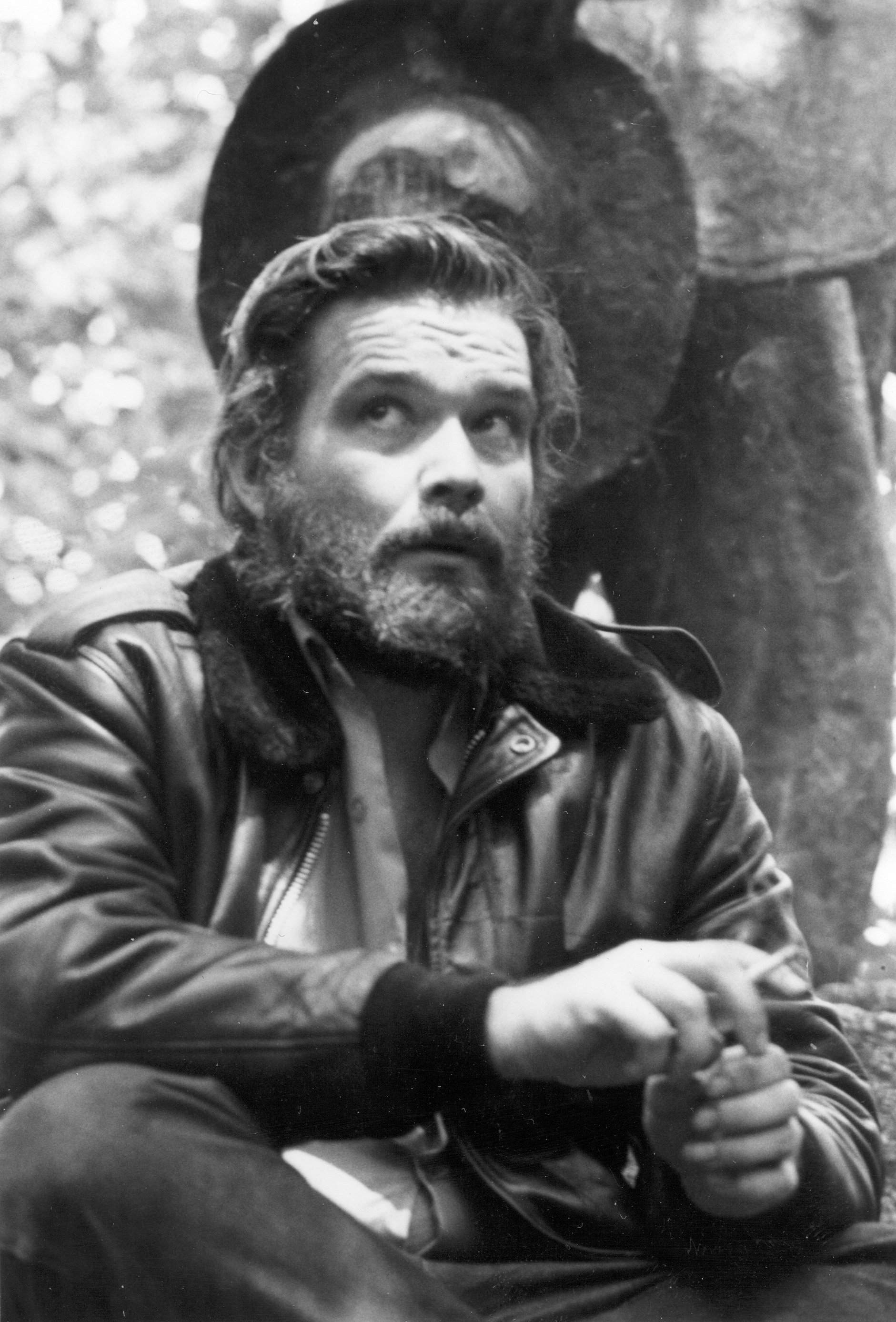
By the late 1950s another literary development demanded attention: the emergence of the Beat Generation. WNYC did not ignore the movement. In November 1958, its engineers recorded Jack Kerouac at the Brandeis University Club during a lively discussion on the question, “Is there a Beat generation? Kerouac, whose spontaneous style and unconventional views helped define the movement, was joined by British novelist Kingsley Amis, New York Post editor James Wexler, and anthropologist Ashley Montagu. 

  (Audio from the Municipal Archives WNYC Collection.)

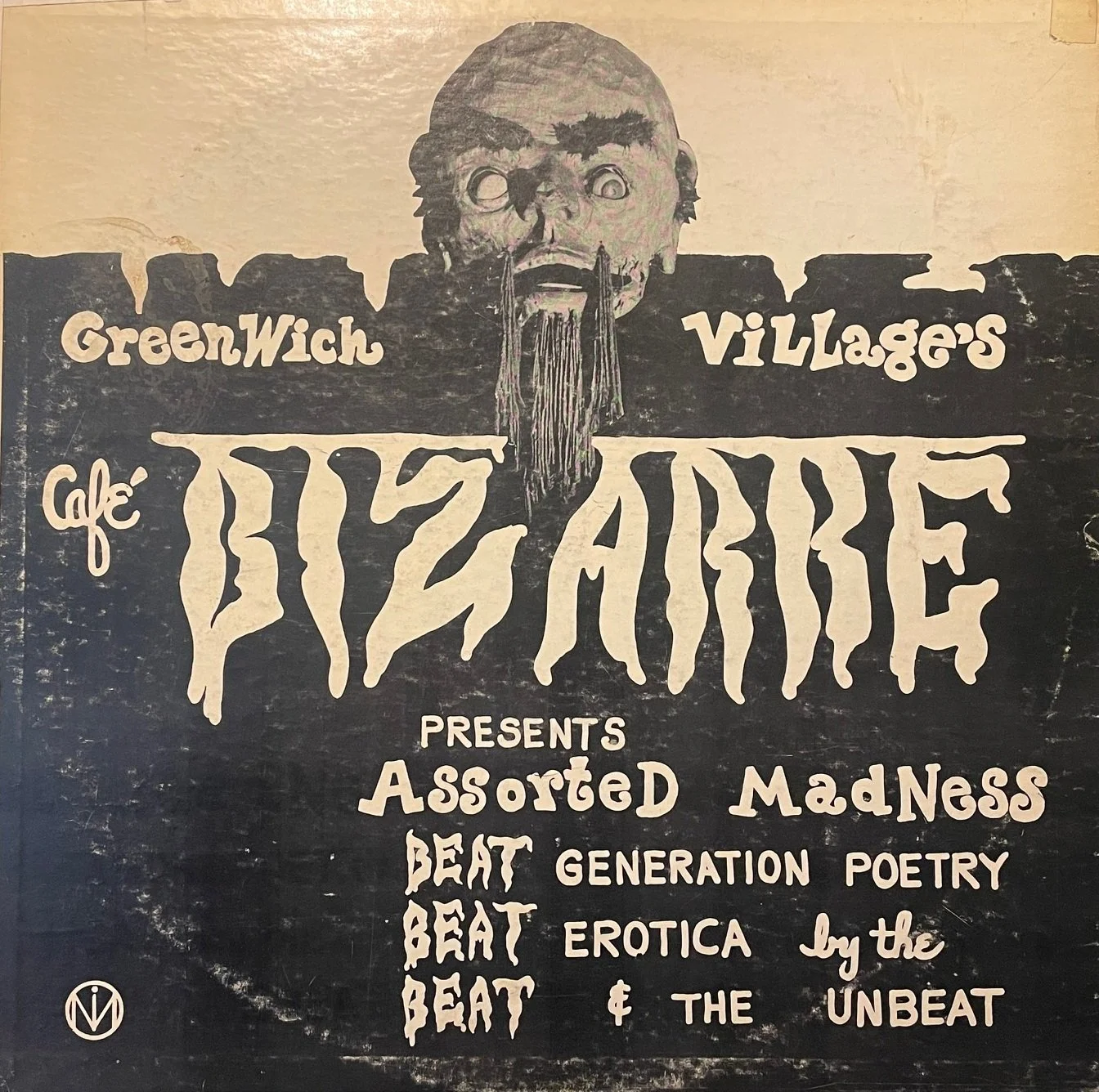
Greenwich Village—long associated with artistic experimentation—also became the focus of a 1959 WNYC documentary on beatniks and Beat poetry. Although the narrator is not identified on the surviving recording, Variety credited the production to Harry Rasky, later a noted Canadian filmmaker. The half-hour program captured the atmosphere of Village poetry readings where, as the trade paper observed, “the language is vivid and loaded with images.” 
  (Audio courtesy of the Walter J. Brown and Peabody Archives Collection at the University of Georgia.) 

Album cover of recordings made at Greenwich Village’s Café Bizarre, a popular coffeehouse and hang-out spot for beat poets including Jack Kerouac and Allen Ginsberg in the 1950s and 60s. (Photo by Michael Simon/A. Lanset Collection).

WNYC also documented the broader literary world through its coverage of major cultural events. Between 1956 and 1966 the station broadcast at least six of the National Book Award ceremonies, which included a category for poetry. Listeners heard from Robert Penn Warren, Alan Duggan, Randall Jarrell, James Dickey and on behalf of Theodore Roethke, Stanley Kunitz. Here is W.H. Auden from February 8, 1956, accepting for The Shield of Achilles

Over the decades, the weekly Cooper Union Forum broadcasts also featured numerous poetry related programs. Poet John Ciardi appeared on five occasions between 1958 and 1971 at the school’s Great Hall. Listeners also heard from other poets including Marianne Moore in a talk, Poetry, Soul of the People, and Barry Wallerstein as part of series called Poetry for Everyman.  
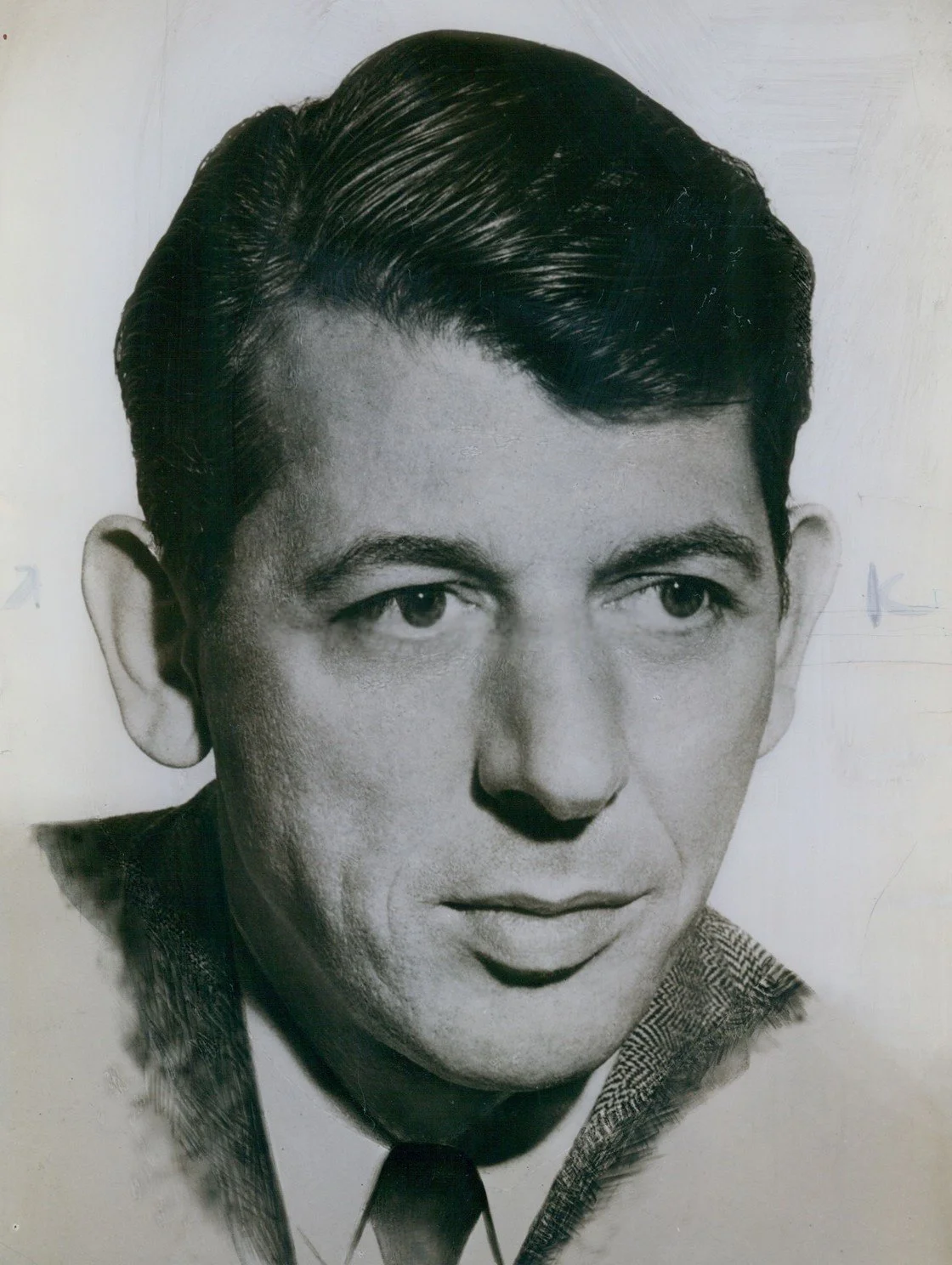
Poet John Ciardi in 1961 in a CBS publicity photo/Wikimedia Commons.

(Audio from the Municipal Archives WNYC Collection.)

Aaron Kramer and Spoken Words 

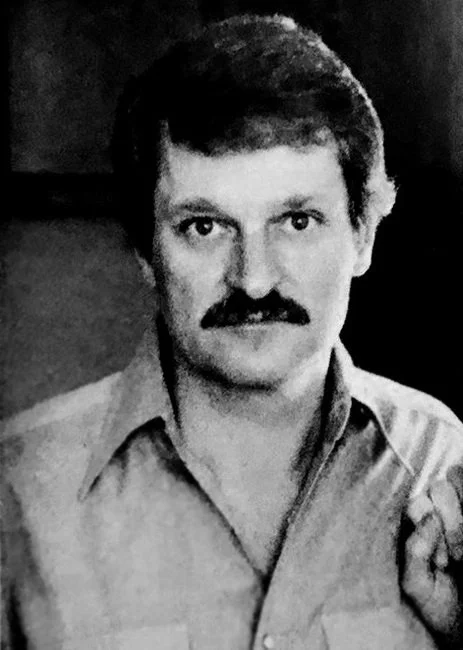
Portrait of Aaron Kramer around the time he did programming for WNYC. /Author publicity photo.

One of the most sustained poetry presences on WNYC came with poet, translator, and professor Aaron Kramer. Beginning in 1962 and continuing for twenty years, Kramer hosted Spoken Words. An English professor at Dowling College and a leading advocate of the “poetry as therapy” movement, Kramer brought a wide range of verse to listeners.

His programs included readings of major English and American poets, explorations of the poetry of the 1930s, tributes to World War II poets, and thematic broadcasts such as American protest poetry. On November 19, 1967—the eightieth anniversary of Emma Lazarus’s death—Kramer reflects on Lazarus and reads from her work, demonstrating a thoughtful and accessible approach that defined the series.


Avant-Garde Voices, Geography and Applications to Life 
  (Audio courtesy of the Charles E. Young Research Library, UCLA.)

Portrait of poet John Ashbery circa 1974-1975/Wikimedia Commons. 

WNYC also gave airtime to emerging experimental voices. In 1966 and 1967 Michael Silverton hosted Poetry of the Avant-Garde, a series of interviews with contemporary poets including Ted Berrigan, John Ceravolo, Michael Benedikt, Jerome Rothenberg, Peter Schjeldahl, Kathy Fraser, Aram Saroyan, and Lorenzo Thomas. Here, Silverton speaks with poet John Ashbery.

In 1968 poet and editor William Packard moderated a broadcast titled Is There a New York Poet?, examining how the city’s energy and diversity influenced contemporary verse.  Joining Packard were poets Stephen Stepanchev and Norman Rosten in a lively discussion about geography and verse.
  (Audio from the NYC Municipal Archives WNYC Collection.)

Publicity photo of poet William Packard/WNYC Archive Collections 

Poetry programming continued to evolve. In 1975, WNYC-FM partnered with The New School to launch The Logic of Poetry, a weekly series encouraging listeners to engage with poetry as a living, accessible language rather than an academic exercise. Hosts Richard Monaco and John Briggs took listeners on an extensive tour that covered poetry’s relationship to sculpture, William Blake’s The Tiger, poetry and impressionist art, Russian poet Anna Akhmatova, Japanese poetry, Wallace Steven’s The Emperor of Ice Cream, the poetry of dreams, poetry and psychoanalysis, Anne Sexton’s The Moss of His Skin and many other poems and poetry topics. Here John Briggs speaks with photographer John Fay about poetry and photography. 

And, as previously mentioned, Aaron Kramer’s Spoken Words continued into the 1980s with The Poet’s Voice as the leading poetry series on WNYC in the 1990s.  

  (Audio from the WNYC Archive Collections.)

Conclusion 

Across nearly seven decades of municipal ownership, WNYC created one of the most extensive records of poetry broadcasting in American radio. Educational lectures, studio readings, literary festivals, and interviews brought poets of many traditions to the microphone, reflecting the changing literary life of the city itself. Established figures such as Robert Frost and Marianne Moore shared the airwaves—sometimes directly, sometimes across decades—with Beat writers, experimental poets, and academic critics. The station’s microphones captured not only individual readings but also conversations about what poetry meant in different moments of American cultural life. 

In doing so, the station demonstrated something radio had always made possible: poetry heard aloud could reach audiences far beyond the page. Through its broadcasts—many now preserved at the New York City Municipal Archives and WNYC Archives—the city’s radio station carried the voices of poets across New York and beyond, reminding listeners that verse has always belonged as much to the ear as to the printed page.
Poetry On the Air: WNYC and the Sound of Verse in New York Part 1: 1927–1950

During the seven decades of municipal ownership, both celebrated and obscure poets found their way to WNYC’s microphone. Some programs introduced listeners to canonical voices such as Robert Frost, Marianne Moore, and W.H. Auden. Others opened the airwaves to aspiring writers who might otherwise never have been heard beyond their own neighborhoods. Still others explored the relationship between poetry and radio itself, asking whether the medium might reshape how verse was written, performed, and experienced.

The result was an extraordinary range of programming: educational broadcasts from the station’s early Air College lectures; dedicated poetry series and readings; experimental verse drama; tributes to major poets; and discussions linking poetry to theater, politics, therapy, and everyday life. Together these broadcasts reveal how a municipal station—often overlooked in the larger history of American radio—played a meaningful role in sustaining the oral tradition of poetry.

Vinyl Rhyme and Lacquered Verse: Celebrating National Poetry Month

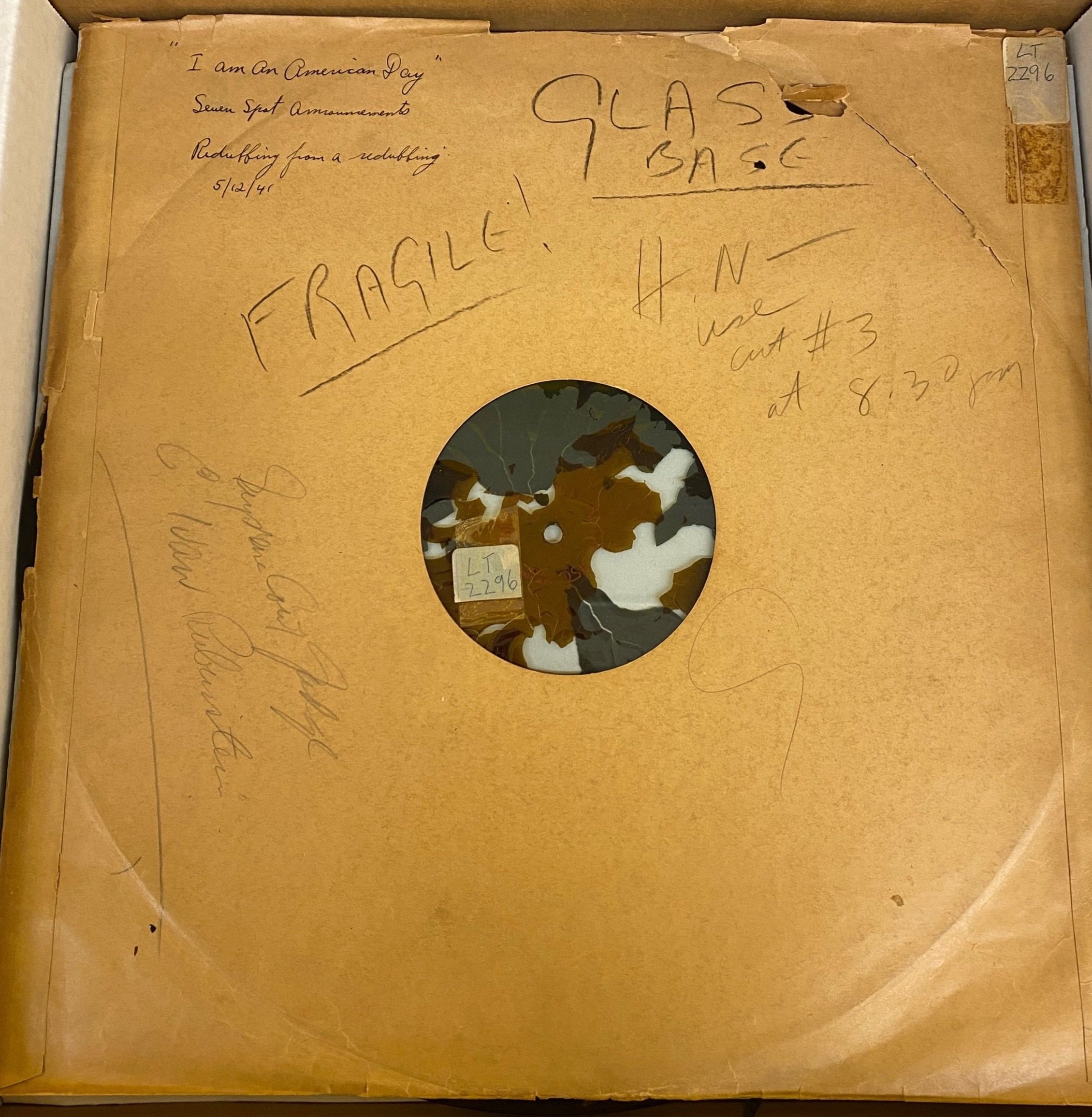
Over the last year, thousands of lacquer phono discs from the Municipal Archives WNYC audio collection have been digitized as part of a project supported by a grant from the Leon Levy Foundation to the WNYC Foundation. The discs span from the 1920s to the 1960s, providing a window into mid-20th century life and culture in New York. WNYC, the City's radio station responded to the tumult of this period by becoming a beacon of civilization. In addition to broadcasting musical performances and news programs, WNYC brought discussions and readings of poetry from local and international authors. As the Municipal Archives ingests this collection, both digitally and physically, we invite our patrons to use National Poetry Month to explore our WNYC Radio collection already available online.


Walt Whitman is a well-known New York poet. Born in West Hills, Long Island in 1819, Whitman is famous for elevating the importance of everyday American life during the 19th century. His influence on American literature has been so vast that he is sometimes referred to simply as ‘America’s Poet.’ Whitman worked on his most famous collection of poems ‘Leaves of Grass’ until his death in 1892, revising it repeatedly after its first publication in 1855.

In 1941, WNYC Radio held their second American Music Festival, a program meant to highlight the multicultural and liberal democratic values of the Americas as compared to totalitarian and fascist powers. The words of Whitman’s poem ‘I Hear America Singing’ from ‘Leaves of Grass’ were put to music and performed live on air:

I Hear America Singing by Walt Whitman

I hear America singing, the varied carols I hear,

Those of mechanics, each one singing his as it should be blithe and strong,

The carpenter singing his as he measures his plank or beam,

The mason singing his as he makes ready for work, or leaves off work,

The boatman singing what belongs to him in his boat, the deckhand singing on the steamboat deck,

The shoemaker singing as he sits on his bench, the hatter singing as he stands,

The wood-cutter’s song, the ploughboy’s on his way in the morning, or at noon intermission or at sundown,

The delicious singing of the mother, or of the young wife at work, or of the girl sewing or washing,

Each singing what belongs to him or her and to no one else,

The day what belongs to the day—at night the party of young fellows, robust, friendly,

Singing with open mouths their strong melodious songs.


The name Langston Hughes is nearly synonymous with the Harlem Renaissance of the early 20th century. Born in 1901 in Joplin, Missouri, Hughes attended Columbia University before contributing work to the National Association for the Advancement of Colored People’s (NAACP) official magazine, The Crisis. His poems like ‘Harlem,’ or the ‘The Weary Blues,’ helped define poetry for generations of Americans and his works have, in turn, influenced artists ever since. The famous opening lines of ‘Harlem’ “What happens to a dream deferred? Does it dry up like a raisin in the sun?” and the play that took its title from those lines, continue to reverberate over half a century since his death in 1967. At the 10th American Music Festival, one of his poems ‘A Black Pierrot’ was set to music and performed live:

A Black Pierrot by Langston Hughes

I am a black pierrot: She did not love me,

So I crept away into the night and the night was black, too.

I am a black pierrot: She did not love me,

So I wept until the red dawn dripped blood over the eastern hills

and my heart was bleeding, too.

I am a black pierrot: She did not love me,

So with my once gay colored soul shrunken like a balloon without air,

I went forth in the morning to seek a new brown love.

I went forth in the morning to seek a new brown love.

I went forth in the morning, I went forth in the morning,

I went forth in the morning to seek a new brown love.


Born in Saint Petersburg, Russia in 1899, Vladimir Nabokov was a poet, teacher, and author who was exiled shortly after the 1917 Russian Revolution. Fleeing ever further west, Nabokov and his family eventually came to America, where he wrote his most famous (or infamous) work, ‘Lolita.’  Writing creatively in several languages and teaching literature in the United States, Nabokov was also widely recognized for his poetry like ‘Pale Fire: A Poem in Four Cantos,’ which has been the subject of intense literary analysis since it was published in 1962. Nabokov was invited to read one of his poems and discuss the art form of poetry in depth on WNYC Radio in 1958. While the following audio recording has the entire poem read by Nabokov, the text is merely the opening paragraph.

An Evening of Russian Poetry (Opening Paragraph) by Vladimir Nabokov

The subject chosen for tonight’s discussion
Is everywhere, though often incomplete:
when their basaltic banks become too steep,
most rivers use a kind of rapid Russian,
and so do children talking in their sleep.
My little helper at the magic lantern,
insert that slide and let the colored beam
project my name or any such-like phantom
in Slavic characters upon the screen.
The other way, the other way. I thank you.


Thousands of audio recordings like these have been preserved and are now freely accessible online, and thousands more will be added as the project continues. Although more poetry readings and discussions can be found in the WNYC Radio collection, there are many other highlights. An interview with Jackie Robinson at the Apollo 11 ticker-tape parade, a speech by President Eisenhower to the American Legion on the dangers of Communism and Eleanor Roosevelt extolling the virtues of New York City are just some examples of the gems in this collection. Listen to them all now on our digital gallery: https://nycma.lunaimaging.com/luna/servlet/RECORDSPHOTOUNITARC~26~26

WNYC-TV Presents Poetry Spots

Starting in the early 1980’s, municipal broadcaster WNYC-TV shifted from primarily broadcasting public ceremonies and government press conferences to creating original programming that highlighted the diverse cultures, events and people of New York. One such television program was Poetry Spots, originally conceived of by poet Bob Holman. Poetry Spots featured award-winning writers like Allen Ginsberg and paired readings of their poems with short video art segments usually featuring the authors themselves. Airing for six seasons from 1987 to 1993, the series won two New York Emmy awards and inspired other innovative programs on poetry and video art.


Bob Holman, We Interrupt This Program

REC0047_2_158_2142: WNYC-TV Poetry Spots, April 26, 1989, Bob Holman - We Interrupt This Program

Before Poetry Spots, Bob Holman was an active organizing member of the New York City poetry community. Originally raised in rural Ohio, Holman attended Columbia University in the late 1960s, but found his artistic home in the Lower East Side. After graduating, Holman became a member of multiple local poetry organizations, like the Nuyorican Poet’s Café and the St. Mark’s Poetry Project, as well as an active director and producer of plays written by fellow poets at The Poet’s Theater. Learning from his experience producing Poetry Spots, Holman went on to refine the format for his award-winning PBS series United States of Poetry in 1996. Still active today, Holman now runs several Bowery-based arts organizations, like Bowery Poetry Club and Bowery Poetry Books.


Jessica Hagedorn, Loft Living

REC0047_2_158_2142: WNYC-TV Poetry Spots, April 26, 1989, Jessica Hagedorn - Loft Living

Jessica Hagedorn is an award-winning American playwright, composer and author who first moved to New York in 1978 after growing up in Manila and getting her education in theater in San Francisco. She quickly wrote and staged several of her works like Mango Tango, Tenement Lover, Holy Food and Teenytown. Just after her appearance on Poetry Spots, Hagedorn released her 1990 novel Dogeaters, which caused controversy among Filipino communities for exploring themes of colonialization and westernization. At the same time, it won an American Book Award and has been adapted into successful stage productions several times.


Allen Ginsberg, In My Kitchen

REC0047_2_158_2142: WNYC-TV Poetry Spots, April 26, 1989, Allen Ginsberg - In My Kitchen

Along with writers like Jack Kerouac and William S. Boroughs, Allen Ginsberg defined the Beat Generation of poets with his famous 1951 poem Howl. Born in Newark, New Jersey, Ginsberg lived in cities across the world, but spent much of his life living and working in New York’s East Village. For decades, Ginsberg was a prominent voice in the American counterculture, writing poems that denounced military actions like the Vietnam War, advocated for greater free speech and explored culturally taboo topics, like drug use and homosexuality. Ginsberg passed away in 1997 from liver cancer not long after a last public appearance at an NYU Poetry Slam. His last poem Things I’ll Not Do (Nostalgias) was written one week before his death.


June Jordan, Financial Planning and Sara Miles

REC0047_2_158_2142: WNYC-TV Poetry Spots, April 26, 1989, June Jordan - Financial Planning and Sara Miles.

June Jordan blurred the lines between journalist and poet perhaps more than any other author featured in Poetry Spots. Along with more than two dozen major works of creative writing, Jordan was also known for her journalism as a regular contributor to the publication The Progressive from 1989 to 2001, shortly before her death in 2002. Growing up in Harlem to parents who had emigrated from Jamaica, Jordan won many awards and grants as she progressed rapidly in her career, focusing on issues of racial justice, feminism, and queer rights. Her awards included a National Endowment for the Arts fellowship in 1982 and an award from the National Association of Black Journalism in 1984, to name just a few. In 2019, Jordan was added to the National LGBTQ Wall of Honor at the Stonewall National Monument in 2019 for her focus on LGBTQ issues in her writings, both fiction and non-fiction.


The full version of this episode of Poetry Spots is now available on the New York City Municipal Archives digital gallery, as well as compilations and other full episodes. Hundreds of hours of other programs from WNYC-TV that focused on arts and culture are also freely available, such as New York Hotline, Neighborhood Voices and Heart of the City. From 1985 to 1996, programs like these helped New Yorkers explore their City in ways they never would have otherwise. We hope that by preserving and making them widely available, they can inspire not only New Yorkers, but people from around the world.