In recognition of Records and Information Management Month, this week For the Record highlights the work of the Department of Records and Information Service’s (DORIS) Records Management Division. Their efforts ensure that active records remain accessible, and that records with historical value are properly preserved by transferring them to the Municipal Archives.
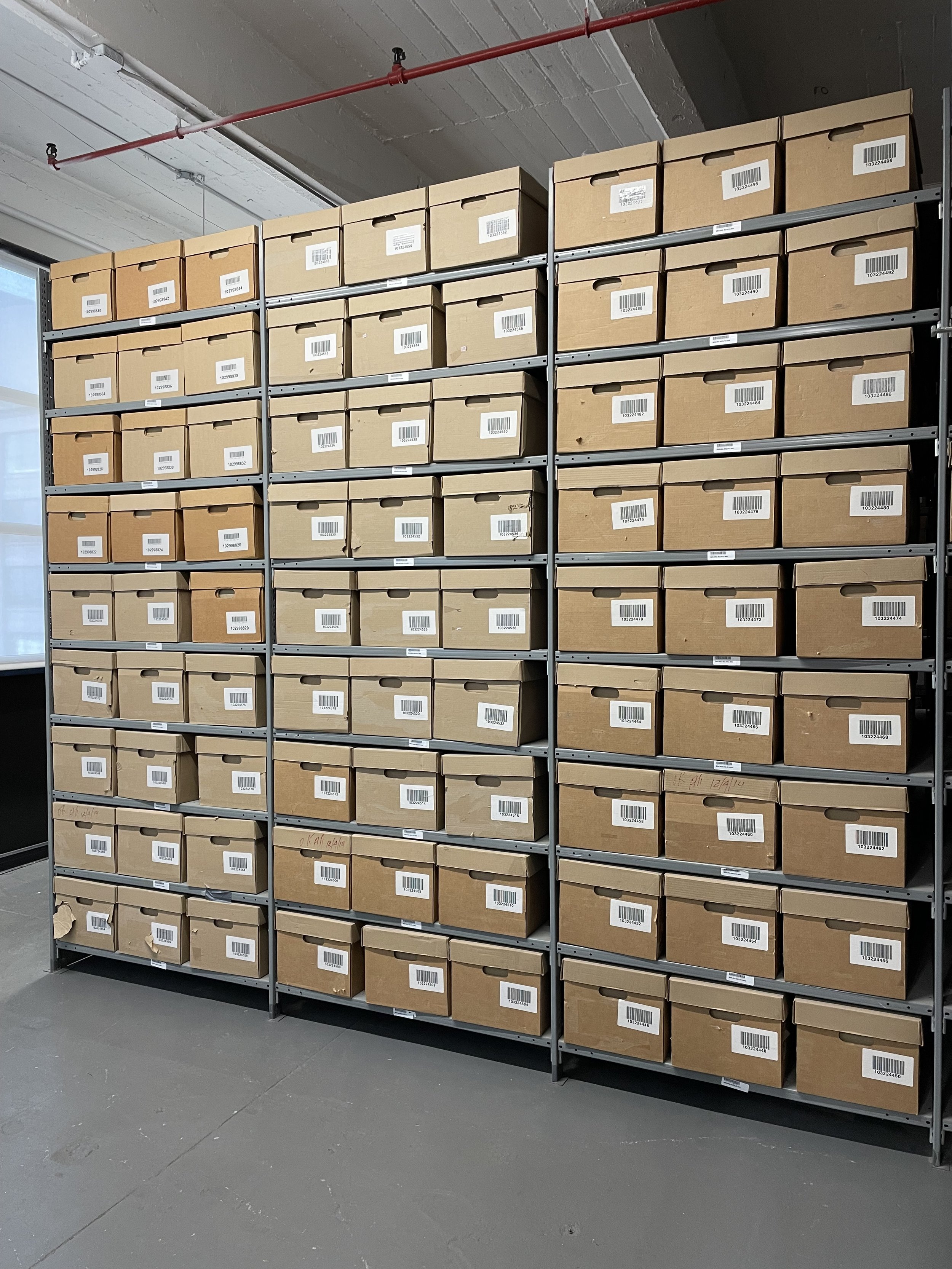
Records Management is a vital part of the DORIS mission to set policy and provide leadership to all city agencies in their work to maintain efficient control of records in all formats.
Each type of record created by a city entity has its own lifecycle—from creation, through periods of high activity, then less frequent use and inactivity, and eventually to final disposition. At that stage, a record is either eligible to be destroyed or is transferred to the Municipal Archives for permanent preservation. Record lifecycles can be short, such as a weekly report that is regularly replaced by new information; or long, in the case of official policies that have lasting impact on city operations. DORIS’ Records Analysts work with Records Management Officer (RMOs) in each agency to create an inventory of all records, by type. They determine how long each type of record must be kept, and what happens when it reaches the end of its usefulness to the creating agency. The inventory is known as a record retention schedule. Records Analysts ensure that retention schedules align with all relevant legal authorities, and that the disposal process, which requires several levels of approval, is properly carried out at the end of the record’s useful life.
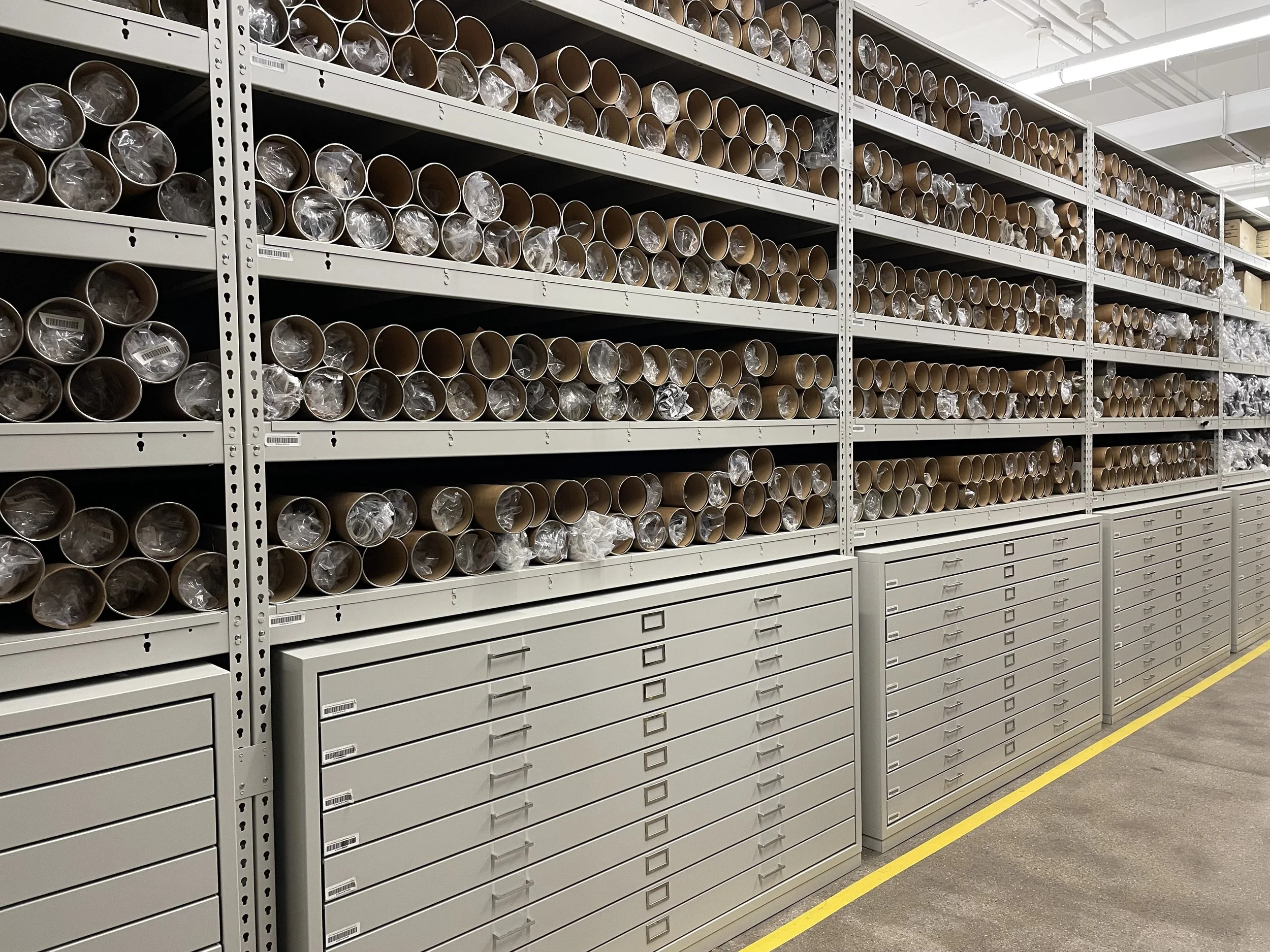
Collections currently in the Municipal Archives serve as a testament to the diligent work of prior records managers, and the efficacy of these procedures. For example, the Parks Department retention schedule includes a record series called “Blueprint/Design Files,” described as containing original design and construction plans for parks, playgrounds and buildings. In collaboration with Parks staff, DORIS Record Analysts assigned the retention period for this series as “permanent.” This designation informed the Parks record custodians to keep them safe, organized and available to Parks employees. When the records were no longer in active use at Parks, a DORIS Records Analyst and the Parks Records Management Officer collaborated to document approval for transfer to the Municipal Archives. Now, the records are held permanently in a preservation environment at DORIS. Some of these materials have been digitized and are now publicly accessible on the Archives digital repository in the Department of Parks Buildings and Plans collection.
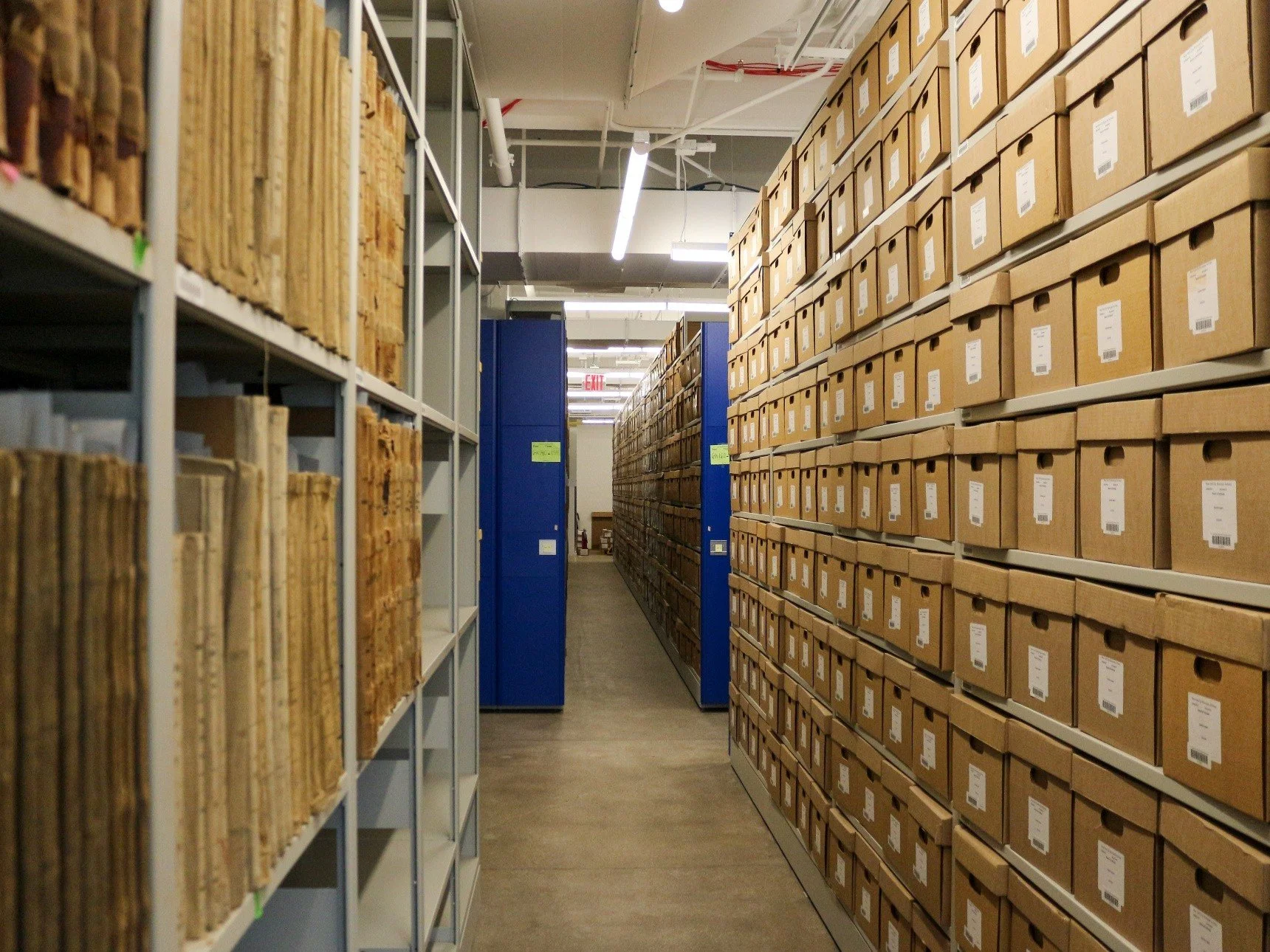
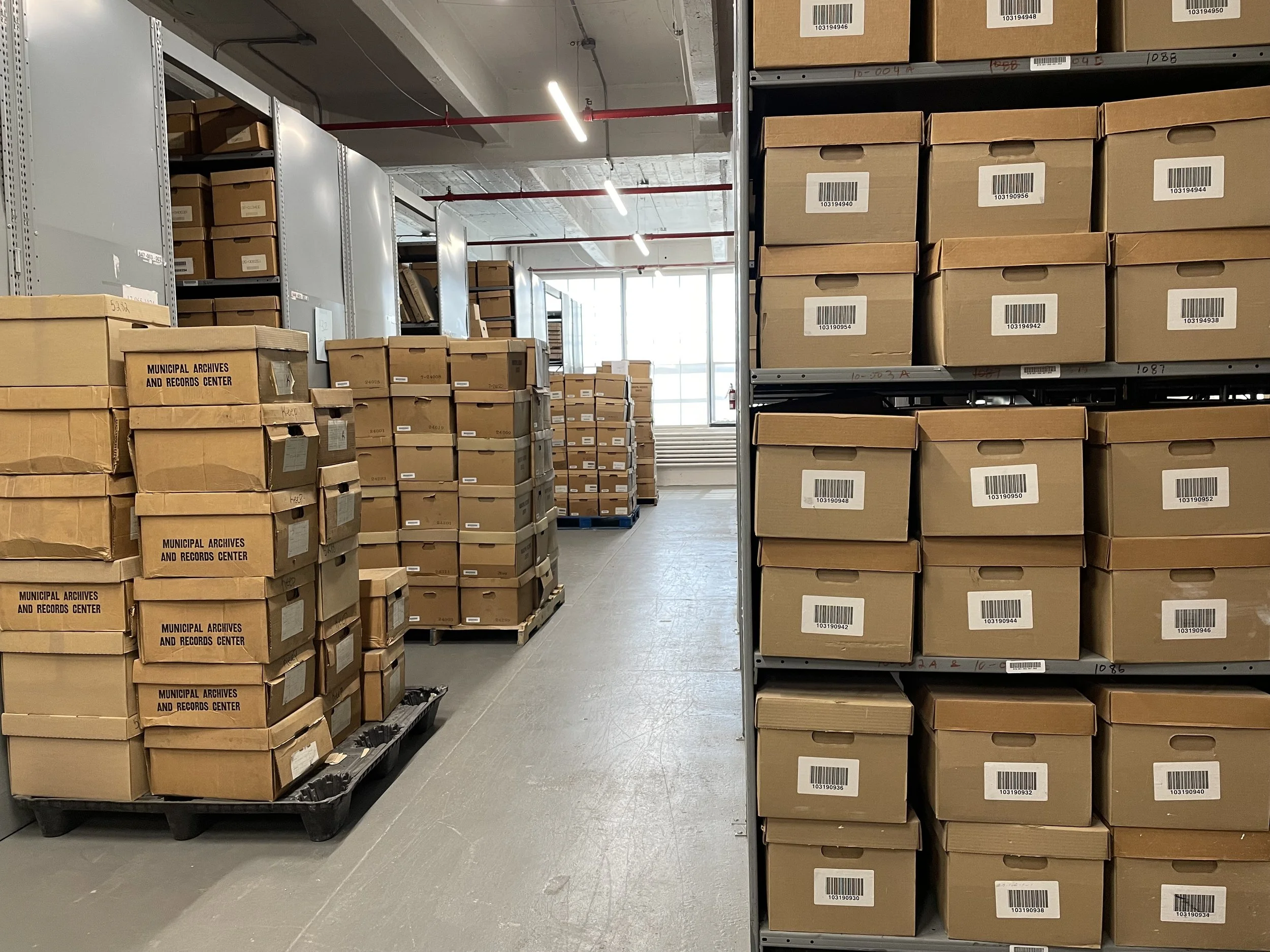
Establishing record retention schedules is only one aspect of the complex work of DORIS’ Records Management Division. In addition to developing policies governing new record types—social media, texts—and offering guidance, this arm of the agency also operates a vast facility to store and manage access for more than 800,000 cartons of active city records. This means the records are still needed by the creating agency for regular business, but not needed on a daily basis so are not stored in the office. When needed, the agency submits a request to retrieve the carton, or file, from the DORIS storage facility.

The Records Management Division is simultaneously overseeing implementation of an electronic records management (ERMS) platform that is used by dozens of city agencies. This software solution gives agency RMOs a tool to connect retention schedules with electronic repositories. DORIS staff are training RMOs to develop record inventories to apply retention periods to email and other electronic records in order to ensure proper disposal and/or preservation, as appropriate.
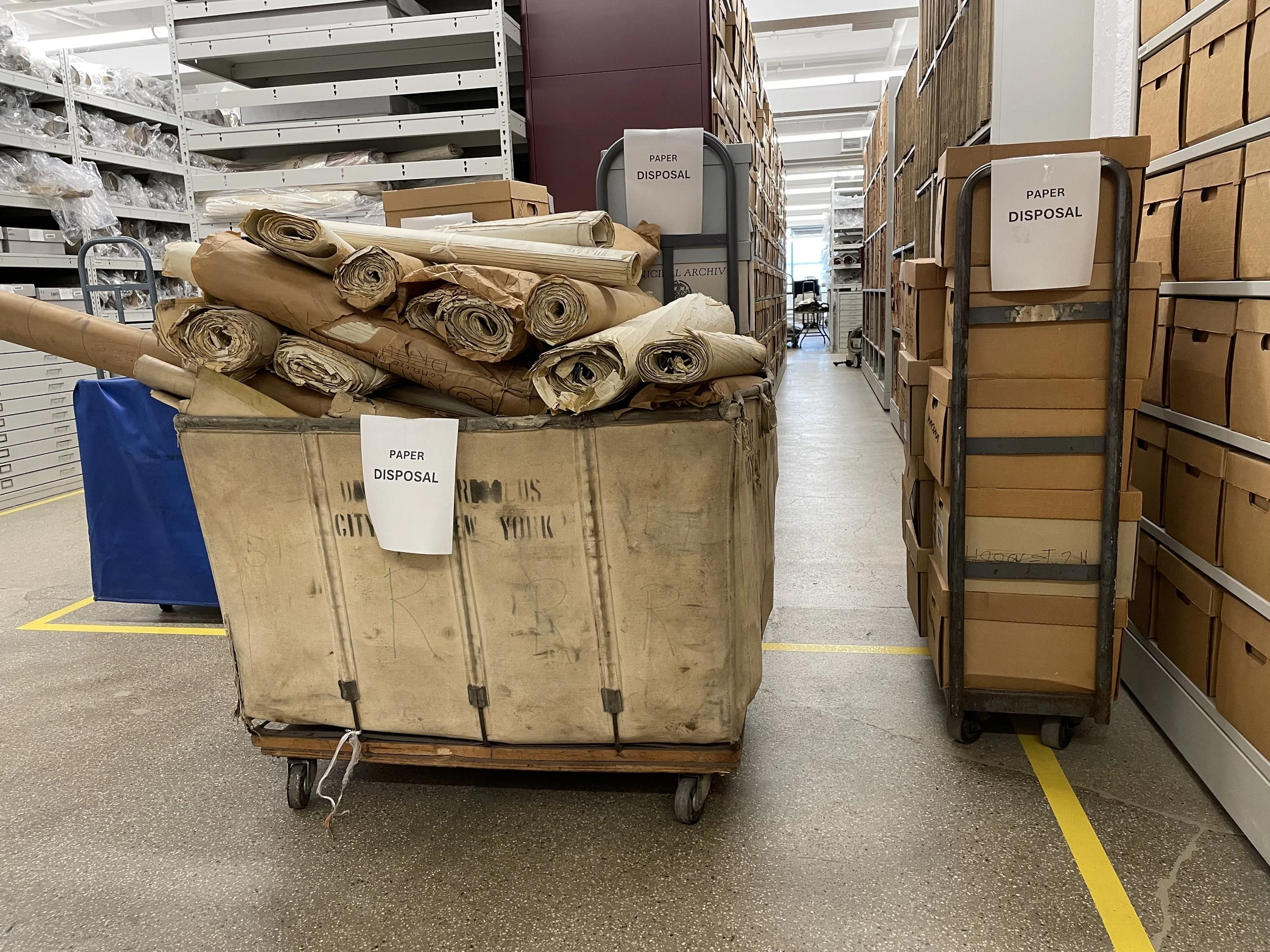
Records Management work at DORIS is dynamic and multifaceted. The efforts of this unit ensure that the city’s records are available to serve the citizens of New York City now, and in perpetuity.
